 TV
76
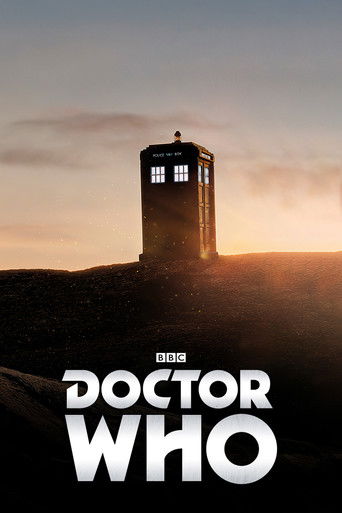
Doctor Who
2005
Show streaming availability for
United StatesUS United KingdomGB CanadaCA AustraliaAU IrelandIE New ZealandNZ IndiaIN TürkiyeTR GermanyDE AustriaAT SwitzerlandCH FranceFR BelgiumBE ItalyIT SpainES MexicoMX ArgentinaAR ColombiaCO ChileCL NetherlandsNL SwedenSE NorwayNO DenmarkDK FinlandFI PolandPL PortugalPT BrazilBR JapanJP South KoreaKRGenre
Sci-fi and fantasy television invites viewers into worlds where the rules of everyday life bend or break. Spaceships, sorcery, superpowers and parallel dimensions sit alongside very human questions about identity, loyalty and survival. The genre spans animated comedies, gritty dramas and outright parodies, which makes it one of the most varied corners of the TV landscape.
TV
76
2005
 TV
81
 TV
77
2014
 TV
83
2009
 TV
79
2007
 TV
72
 TV
80
1997
 TV
84
 TV
79
2014
 TV
83
2026
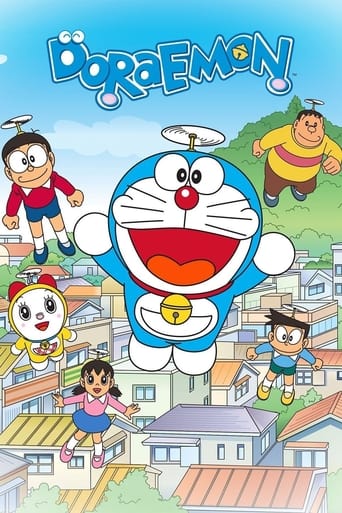 TV
81
2005
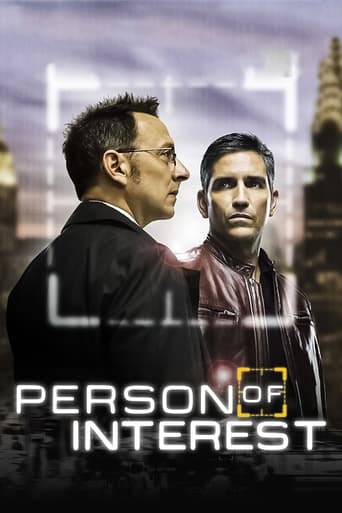 TV
81
2011
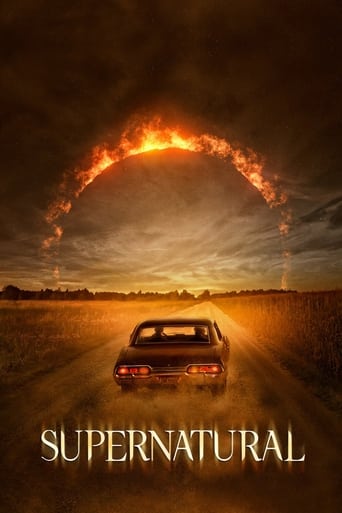 TV
83
2005
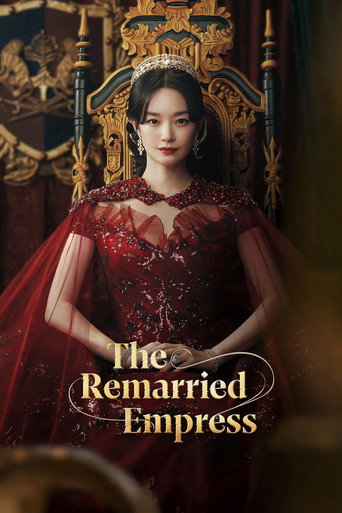 TV
85
 TV
65
1971
 TV
85
2011
 TV
85
2022
 TV
81
2010
 TV
82
2001
 TV
84
2004
 TV
87
2013
 TV
77
1979
 TV
74
1966
 TV
80
 TV
64
2013
 TV
84
1993
 TV
82
2012
 TV
96
 TV
84
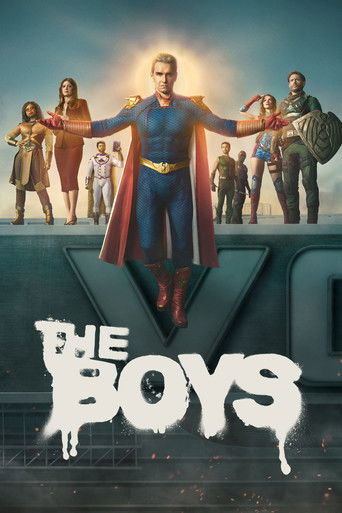 TV
84
2019
Sci-fi and fantasy television invites viewers into worlds where the rules of everyday life bend or break. Spaceships, sorcery, superpowers and parallel dimensions sit alongside very human questions about identity, loyalty and survival. The genre spans animated comedies, gritty dramas and outright parodies, which makes it one of the most varied corners of the TV landscape.
The genre covers stories built on elements that do not exist in ordinary reality. Science fiction leans on imagined technology: time travel, advanced machines, extraterrestrial life or altered futures. Fantasy leans on magic, mythical creatures and supernatural forces. Many shows blend both freely.
What unites them is the willingness to ask "what if?" The speculative premise is the engine, but the best entries use it to explore recognisable emotions and dilemmas. A superhero racing against time, a wizard school hiding dark secrets, a teen witch balancing homework and spellcraft: the setting is extraordinary, the stakes personal.
Power and responsibility dominate the genre. Characters gain abilities or knowledge beyond the norm, then discover the cost. Chosen-one narratives, secret societies and hidden worlds running beneath our own are recurring structures.
Serialised storytelling is common, with season-long arcs layered over standalone episodes. Team dynamics matter too: ensembles, found families and mentor-student relationships give the spectacle a human anchor. Morality is often painted in shades of grey, with antagonists who believe they are the heroes.
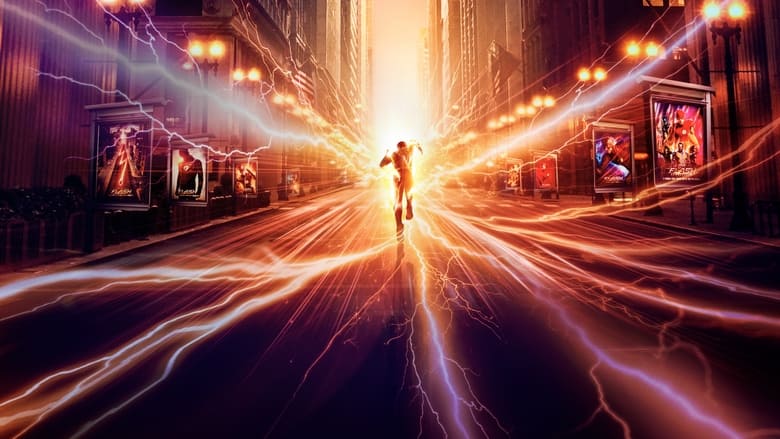
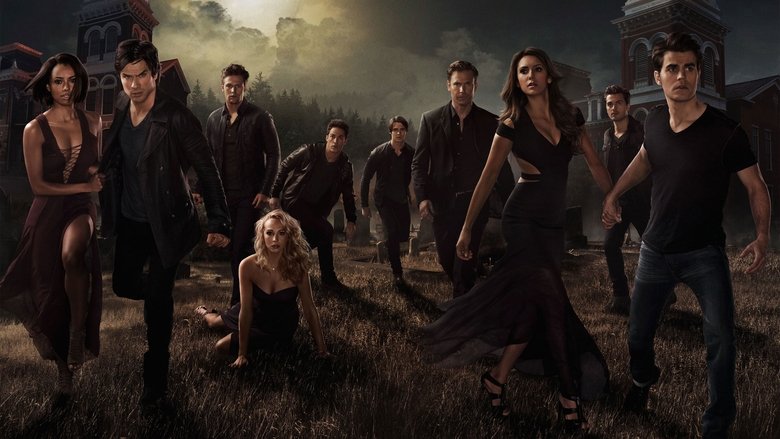
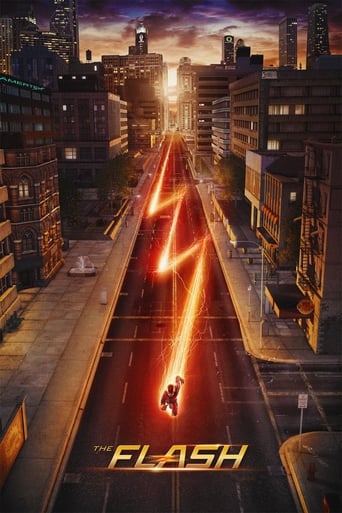
Supernatural fiction moved firmly into the mainstream when shows like Supernatural (2005) and The Vampire Diaries (2009) turned monsters-of-the-week into long-running character dramas. Superhero television followed with The Flash (2014), proving comic-book energy could sustain weekly broadcast episodes.
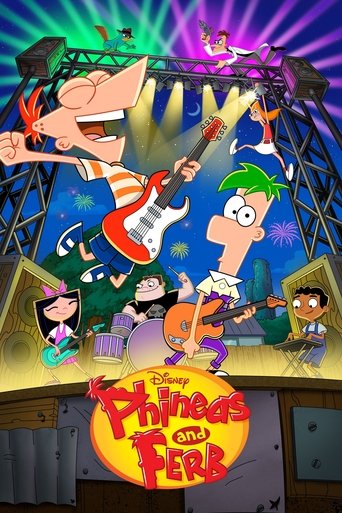
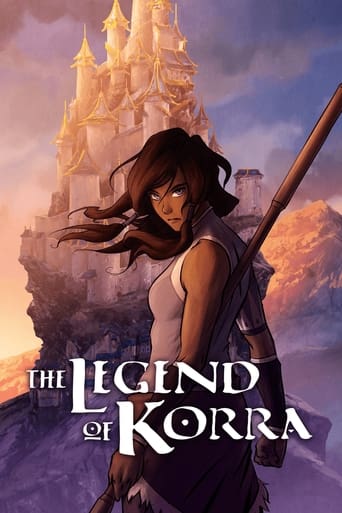
Animation pushed the genre's ambition further. The Legend of Korra (2012) and Phineas and Ferb (2007) showed cartoons could carry serialized mythology or rapid-fire invention without losing humor. Later arrivals such as The Order (2019) mixed campus drama with occult horror, while The Magicians (2015) deconstructed fantasy tropes for an adult audience. Parody got its own entry in Garth Marenghi's Darkplace (2004), a spoof of low-budget horror television.
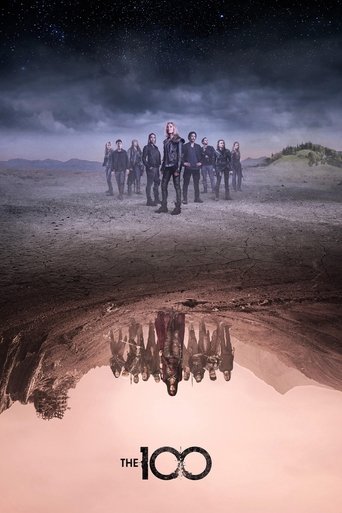
The 100 (2014) drops young survivors into a harsh post-apocalyptic environment where every choice carries weight. Mob Psycho 100 (2016) pairs explosive psychic action with a surprisingly gentle coming-of-age story.
Star vs. the Forces of Evil (2015) blends interdimensional magic with teen comedy, and Elena of Avalor (2016) offers a Disney princess adventure rooted in leadership and Latin American culture. Together the list shows the genre's full range: from spoof to epic, from slapstick to sombre.
Start with tone. Want laughs? Phineas and Ferb or Star vs. the Forces of Evil. Want dread and moral weight? The 100 or Supernatural. Want magic with self-aware wit? The Magicians.
Consider format next: animated series suit shorter episodes and long arcs; live-action dramas usually demand more commitment. Check the premise against your tolerance for darkness, since the genre swings from family-friendly to genuinely frightening.
Science fiction explains its wonders through technology, science or future speculation, while fantasy relies on magic and the supernatural. Many shows mix both, so the line is often deliberately blurry.
No. Titles like The Legend of Korra and Mob Psycho 100 tackle war, trauma and identity, and are widely watched by adults. Animation is a medium, not an age group.
Phineas and Ferb works well: episodes are short, self-contained and funny, with a light sci-fi streak. Viewers wanting drama instead could try The Flash or The 100.
Not always. Some series tell complete stories per episode, others build multi-season arcs. Checking whether a show is episodic or serialized helps set expectations before starting.
Yes. Garth Marenghi's Darkplace (2004) affectionately mocks cheap horror television, showing the genre can laugh at itself while still delivering genre thrills.
We use essential cookies to run this site. With your permission we also use analytics cookies to improve it and advertising cookies (Google AdSense) to show relevant ads that keep the site free. You can change your choice at any time. Cookie policy
Your browser sends a Global Privacy Control signal. We respect it: personalised advertising stays switched off.