


 TV
80
Genre
Best Drama movies & TV shows
Drama is the broadest category on television, and also the most elastic. It covers crime investigations, historical sagas, hospital corridors, prison yards, and even superhero cities. What ties these shows together is not subject matter but approach: serious stakes, developed characters, and stories that ask audiences to invest emotionally over many episodes. This guide explains what defines the genre, how it has changed, and which series make strong entry points.
TV
80
 TV
76
Doctor Who
2005
 TV
81
 TV
86
House
2004
 TV
84
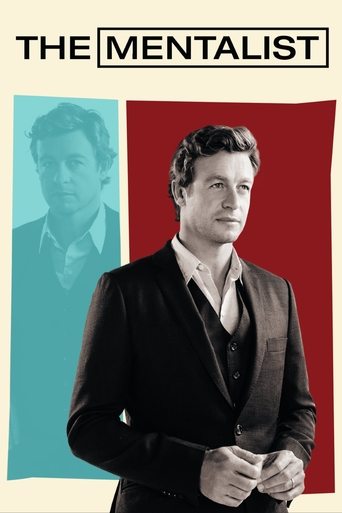
The Mentalist
2008
 TV
77
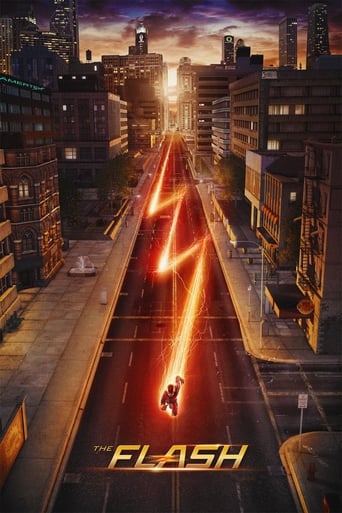
The Flash
2014
 TV
83
The Vampire Diaries
2009
 TV
83
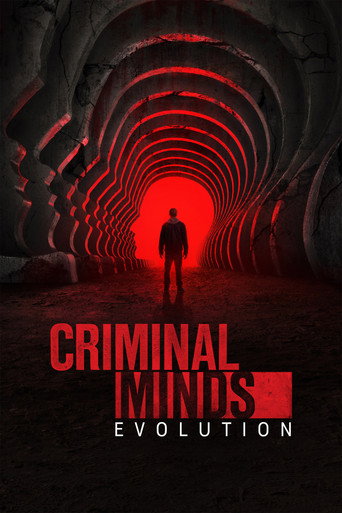
Criminal Minds
2005
 TV
73
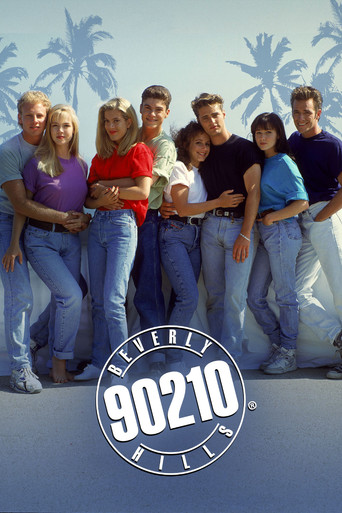
Beverly Hills, 90210
1990
 TV
79
The 100
2014
 TV
83
The Last Kingdom
2015
 TV
71
The Girlfriend
2025
 TV
87
MobLand
2025
 TV
81
Columbo
1971
 TV
83
True Detective
2014
 TV
83
VisionQuest
2026
 TV
82
Grey's Anatomy
2005
 TV
83
Tulsa King
2022
 TV
81
Person of Interest
2011
 TV
77
Eureka
2006
 TV
83
Supernatural
2005
 TV
73
Law & Order
1990
 TV
76
NCIS
2003
 TV
85
 TV
79
Monk
2002
 TV
79
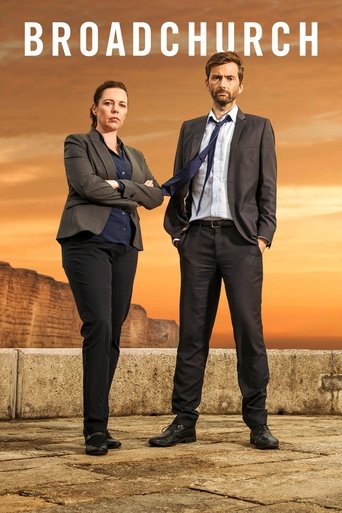
Broadchurch
2013
 TV
65
Kamen Rider
1971
 TV
71
Empire
2015
 TV
63
Tomorrow Is Ours
2017
 TV
85
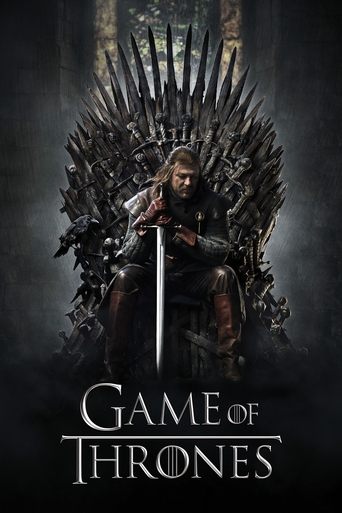
Game of Thrones
2011
Drama is the broadest category on television, and also the most elastic. It covers crime investigations, historical sagas, hospital corridors, prison yards, and even superhero cities. What ties these shows together is not subject matter but approach: serious stakes, developed characters, and stories that ask audiences to invest emotionally over many episodes. This guide explains what defines the genre, how it has changed, and which series make strong entry points.
What Defines Television Drama
A drama treats its subject with weight. Conflicts carry real consequences, characters change over time, and tone leans toward grounded emotion rather than pure escape. Comedy exists, but usually in service of character rather than as the engine of the show.
Length matters too. Dramas are built for the long haul, with season-spanning arcs. A single case may close in one episode, yet relationships, loyalties, and personal demons develop across years of storytelling.
Themes and Storytelling Patterns
Morality sits at the center. Characters face choices between duty and desire, truth and convenience, justice and revenge. The genre rewards interiority: what a character wants, what they hide, what they sacrifice.
Structure varies widely. Procedurals like detective shows resolve a mystery each week while layering longer personal threads. Serialized dramas commit fully to ongoing arcs, where one episode rarely stands alone. Both approaches trade in tension, but differently: episodic satisfaction versus slow-burn payoff.
How the Genre Evolved
Early television drama borrowed heavily from theater and film, with self-contained episodes and clear moral lines. As audiences grew comfortable with long-form storytelling, writers pushed toward ambiguity. Antiheroes, unreliable narrators, and morally gray institutions became standard equipment.
The shift also broadened settings. Drama moved beyond courtrooms and living rooms into prisons, historical battlefields, supernatural high schools, and comic-book cities, proving the label could stretch almost anywhere.
Popular Examples Worth Knowing
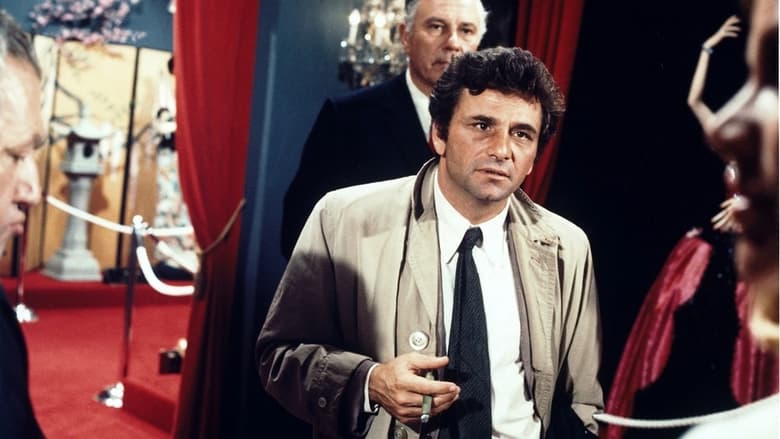
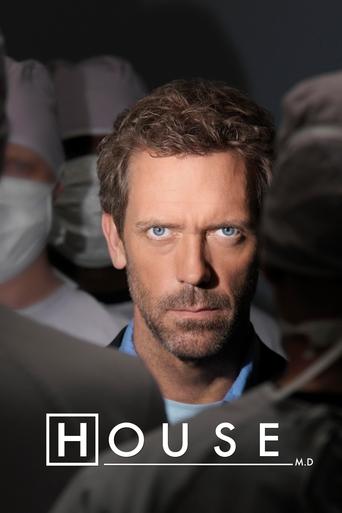
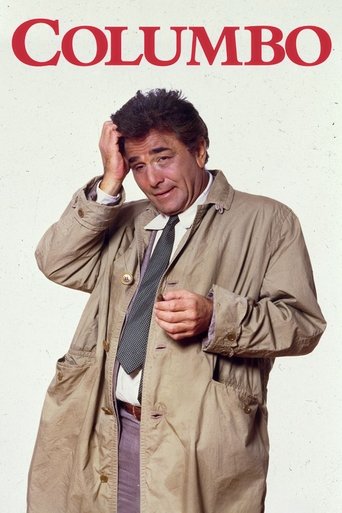
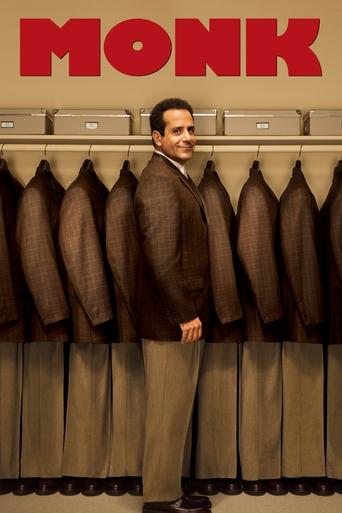
Detective drama has two iconic poles: Columbo (1971), which inverted the mystery by showing the crime first, and Monk (2002), which paired investigation with a deeply human portrait of obsessive-compulsive disorder. The Mentalist (2008) and Sherlock (2010) modernized the sharp-observer formula, while House (2004) transplanted deduction into medicine.
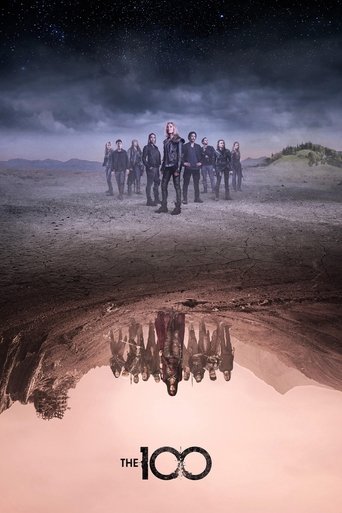
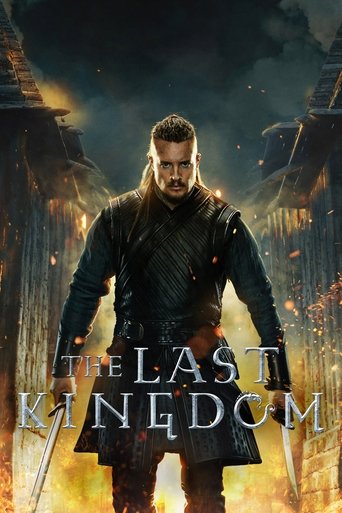
Historical and epic drama thrives in The Last Kingdom (2015) and Vikings (2013), both blending warfare with family and faith. Character-driven ensemble work appears in Orange Is the New Black (2013), set inside a women's prison. Genre hybrids flourish too: The Vampire Diaries (2009) and The 100 (2014) mix teen drama with supernatural and survival stakes, The Flash (2014) brings superhero adventure into the fold, and The Girlfriend (2025) offers a contemporary psychological take on trust and obsession.
How to Choose What to Watch
Start with structure preference. Want closure each night? Pick a procedural like Monk or Columbo. Prefer an unfolding saga? The Last Kingdom or The 100 reward binge commitment.
Then weigh tone. Medical and detective dramas offer puzzle-solving comfort. Historical epics deliver scale. Supernatural entries add romance and mythology. Matching mood to night of the week beats chasing prestige alone.
Frequently asked questions
What makes a show a drama instead of a comedy?
Dramas prioritize sustained tension, consequences, and character development. Comedies aim primarily at laughs per scene. Many shows blend both, but the dominant emotional register and stakes decide the label.
Are procedural dramas good for casual viewing?
Yes. Shows like Columbo, Monk, and House resolve a central case each episode, so missed episodes rarely derail understanding, while longer character arcs still reward regular viewers.
Do dramas require watching in order?
Procedurals largely do not. Serialized dramas like The Last Kingdom, Vikings, and The 100 do; storylines build directly episode to episode and skipping breaks continuity.
Can drama include fantasy or superheroes?
Absolutely. The Flash (2014) and The Vampire Diaries (2009) prove the genre describes tone and stakes, not setting. Grounded emotional conflict within a fantastical world still counts as drama.