
Few contemporary screen performers have remained as visible, or as versatile, for as long as Brad Pitt. Born William Bradley Pitt, the Oklahoma-born actor built a resume spanning big-budget spectacles, gritty thrillers and wry comedies, while also working behind the camera as a producer. For audiences who mainly know him from memes or headlines, his actual filmography rewards a closer look.
Early Life and Background
Brad Pitt was born on December 18, 1963, in Shawnee, Oklahoma, USA. That Midwest origin is a long way from the studio lots he would later inhabit, and the distance between the two is part of the story his career tells.
Detailed accounts of his childhood and schooling are not covered here; what matters for film viewers is the trajectory that followed that birth date and birthplace: an American performer who, over more than five decades of screen activity as listed in his credits, moved from television appearances to some of the most recognizable characters in modern cinema.
Career Beginnings and Early Screen Work
Pitt's earliest listed credit is a curious one: an uncredited appearance on Saturday Night Live, the long-running sketch institution, playing Dr. Anthony Fauci. The cameo, logged in 1975 in his filmography, belongs to a recurring pattern in his career: the superstar willing to show up briefly, without billing, when a project amuses him.
Another example came in 1994 with Friends, one of television's defining sitcoms, where he appeared uncredited as Will Colbert. Guest spots like these sit alongside his film work rather than replacing it, showing a performer comfortable moving between formats and between lead roles and fleeting ones.
Breakthrough: Se7en and the 1990s
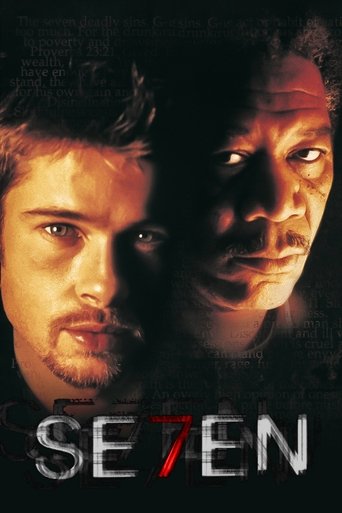
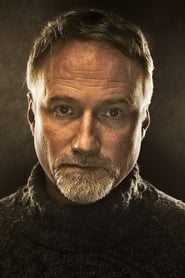
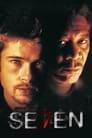
The mid-1990s made Pitt a genuine screen force. In Se7en (1995), directed by David Fincher, he played Mills, a detective drawn into a bleak, methodical murder investigation. The film became a touchstone of the crime thriller genre and paired Pitt with a director who would shape several of his most memorable performances.
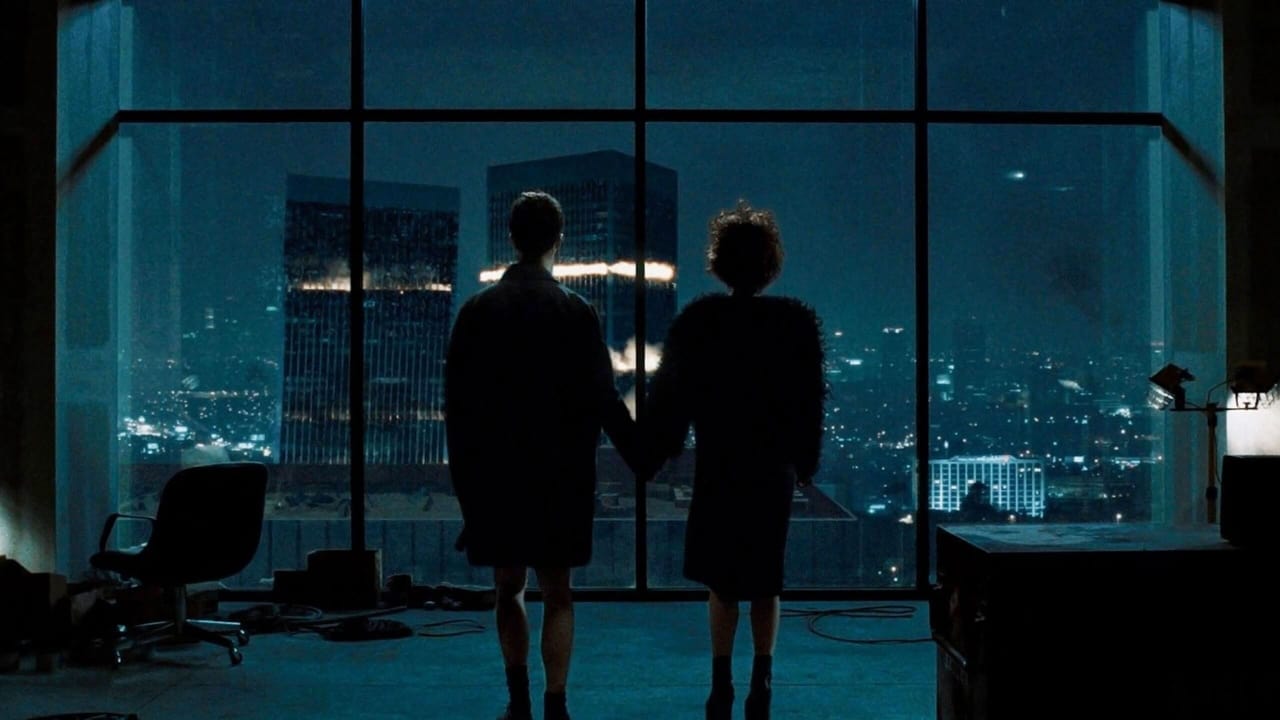
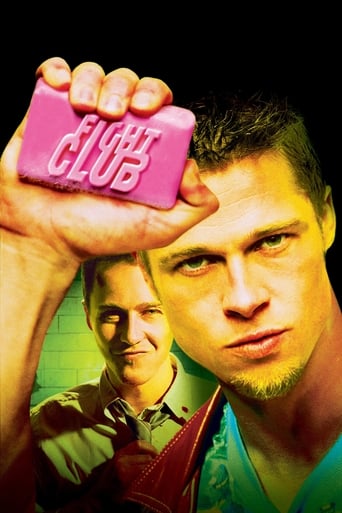
Four years later came the role that arguably defines his public image: Tyler Durden in Fight Club (1999). Fincher again directed, and Pitt's anarchic, magnetic turn turned the character into a cultural shorthand. Between those two films, his 1990s output established him as both a matinee idol and an actor with a taste for dark, demanding material.
The 2000s: Blockbusters and Character Work
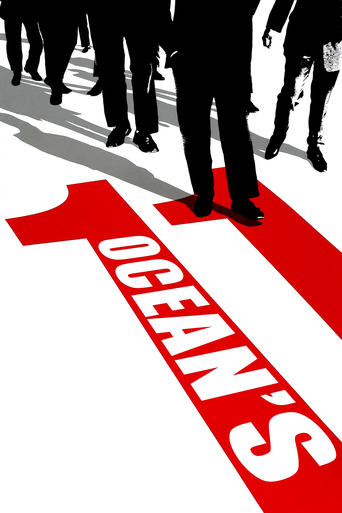
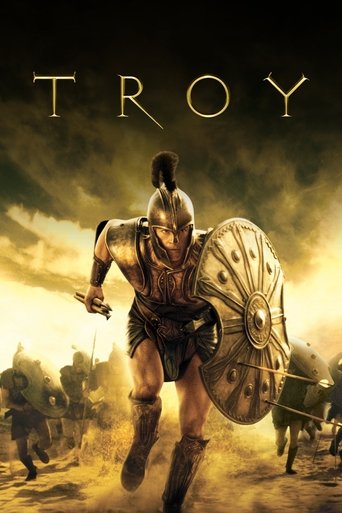
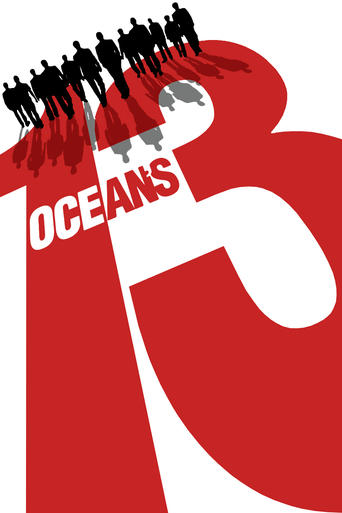
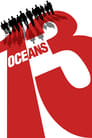
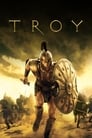
The new decade brought a lighter register. In Ocean's Eleven (2001), Pitt played Rusty Ryan, the unflappable right hand in an ensemble heist caper, a performance built on ease and comic timing rather than intensity. In 2004 he went epic as Achilles in Troy, a sword-and-sandal showcase that leaned on physical presence.
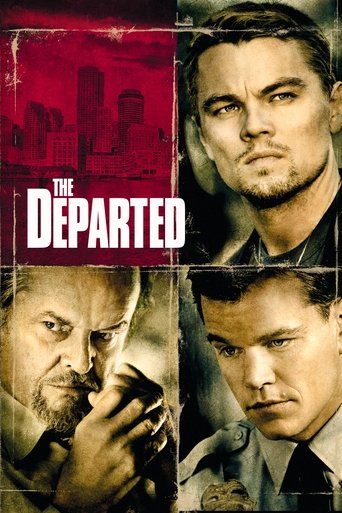
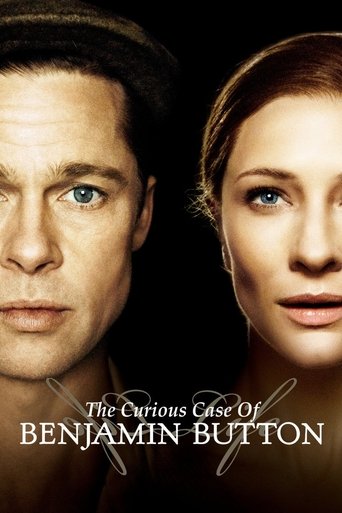
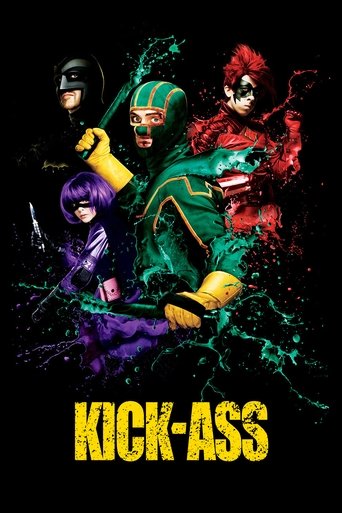
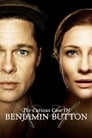
By 2008 he took a very different challenge in The Curious Case of Benjamin Button, playing a man aging in reverse, a role demanding patience and restraint. He also expanded into producing, with credits including The Departed (2006) and Kick-Ass (2010), extending his influence beyond his own performances.
The 2010s and Beyond: War, Zombies and a Long-Awaited Prize
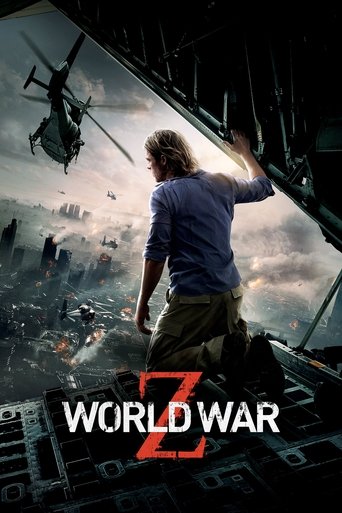
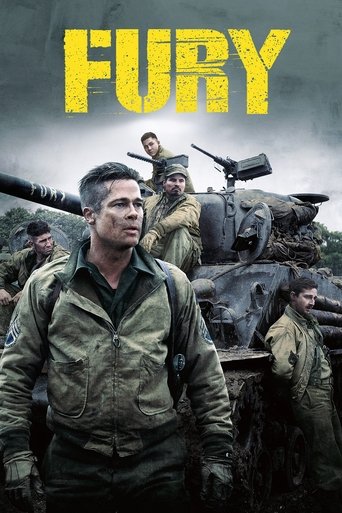
Pitt's 2010s output mixed scale with genre. World War Z (2013) put him at the center of a global zombie thriller as Gerry Lane, while Fury (2014) cast him as Don 'Wardaddy' Collier, a tank commander in a claustrophobic wartime drama. He also indulged his comic streak with a cameo as the invisible Vanisher in Deadpool 2 (2018), a joke that lands precisely because of who is delivering it.
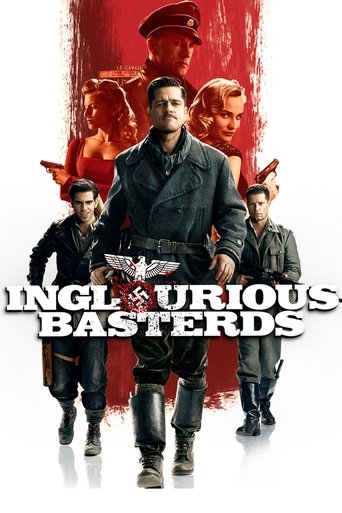
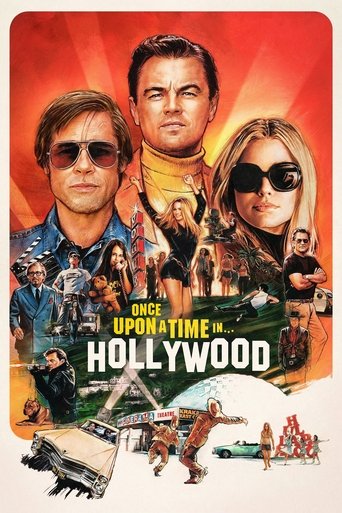
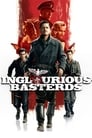
The decade's peak arrived with Once Upon a Time... in Hollywood (2019), where his laid-back stuntman Cliff Booth earned widespread acclaim and major award recognition. In 2009 he had already worked with that film's director, Quentin Tarantino, as Lt. Aldo Raine in Inglourious Basterds, a bellowing, baco-bit-tinged war role that showed his instinct for tonal risk.
Frequent Collaborators
Pitt's filmography is full of repeat partnerships. David Fincher leads the list, with three shared titles including Se7en and Fight Club, the two films most responsible for his late-1990s screen identity.
Matt Damon appears alongside him in two titles, notably the Ocean's ensemble, where their easy interplay anchors the caper's charm. Al Pacino also shares two credits with him, and Robert Pattinson crosses paths with him on three projects, a reminder that Pitt's orbit spans generations of actors as well as directors.
Style and Range Across Genres
What unites roles as different as a grim detective, a heist sidekick, a mythic warrior and a zombie-apocalypse survivor? Mostly attitude. Pitt's signature is a kind of relaxed authority: he can play intensity without straining, and comedy without mugging. Tyler Durden and Rusty Ryan are opposites on paper, yet both feel effortlessly cool on screen.
His range extends to self-deprecation, too. Uncredited turns on Friends and Saturday Night Live, plus the sight-g gag of playing an invisible character in Deadpool 2, reveal a star comfortable puncturing his own myth. That willingness, paired with serious dramatic work like Benjamin Button, is what keeps the filmography unpredictable.
Recognition and Awards
Specific award details for Pitt are limited in the available record, so a full accounting of nominations and trophies cannot be given here. What can be said plainly is that his performances, particularly in ensemble films and genre landmarks, have earned him a durable reputation among critics and audiences alike.
The safest summary: recognition followed the work, decade after decade, with the 2019 turn as Cliff Booth widely treated as a career highlight. Readers seeking an authoritative awards list should consult a dedicated film database rather than relying on summaries.
Recent and Upcoming Work
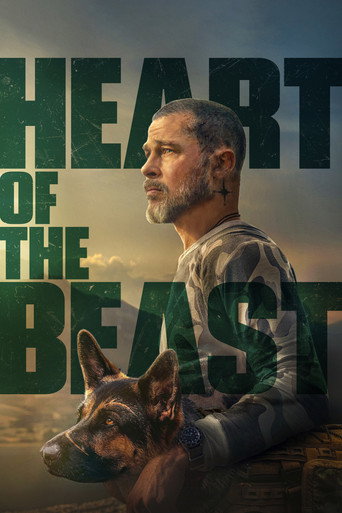
Pitt's filmography runs all the way to 2026, when Heart of the Beast arrives with him in the role of James Belmont. That project keeps an already long screen career, spanning from 1975 to the present in his listed credits, moving forward.
With 59 movies and 10 TV series to his name, the pipeline shows no signs of stalling. For a performer who has spent decades alternating between spectacle and smaller, stranger choices, the next chapter is worth watching simply to see which direction he takes.
Legacy and Where to Start
Pitt's legacy is that rare thing: a movie star who also curated an interesting filmography. He chose directors with strong visions, embraced ensemble work, and never seemed afraid of looking ridiculous. Newcomers have genuinely good options.
A sensible starting order: Fight Club (1999) for the cultural landmark; Se7en (1995) for the tightest thriller; Ocean's Eleven (2001) for sheer fun; Once Upon a Time... in Hollywood (2019) for his most relaxed, acclaimed late-career work; and Inglourious Basterds (2009) if you want to see him cut loose. Five films, five different Pitts.
Frequently asked questions
Who is Brad Pitt?
Brad Pitt, born William Bradley Pitt on December 18, 1963, in Shawnee, Oklahoma, is an American actor and producer. His credits span 59 movies and 10 TV series, from Se7en and Fight Club to Once Upon a Time... in Hollywood.
What is Brad Pitt's most famous role?
Tyler Durden in Fight Club (1999) is probably his most iconic character, though Se7en's Detective Mills, Rusty Ryan in Ocean's Eleven, and Cliff Booth in Once Upon a Time... in Hollywood are close contenders.
Which directors does Brad Pitt work with most often?
David Fincher is his most notable frequent collaborator, with three shared titles including Se7en (1995) and Fight Club (1999). Matt Damon and Al Pacino have each shared two credits with him.
Has Brad Pitt worked in television?
Yes. His listed TV credits include an uncredited appearance as Will Colbert on Friends in 1994 and an uncredited Saturday Night Live appearance playing Dr. Anthony Fauci. His filmography lists 10 TV series in total.
What is Brad Pitt's next movie?
Heart of the Beast, scheduled for 2026, in which he plays James Belmont. It is the most recent entry in his filmography, which now stretches from 1975 to 2026.

















































Comments (0)
Log in or create a free account to comment, rate and write reviews.