
Few actors loom as large over American cinema as Al Pacino. Born Alfredo James Pacino in New York City, he built a reputation on raw, fully committed performances that turned crime dramas and character studies into cultural landmarks. From Michael Corleone to Tony Montana, his roles have entered the everyday language of movie fans, and his career, stretching across dozens of films well into the 2020s, remains one of the most celebrated in the industry.
Early Life and Background
Al Pacino was born on April 25, 1940, in New York City, New York. Growing up in the city that would later supply the backdrop for so many of his most famous characters, he eventually found his way toward the stage, the traditional training ground for the generation of American actors who came of age in the mid-twentieth century.
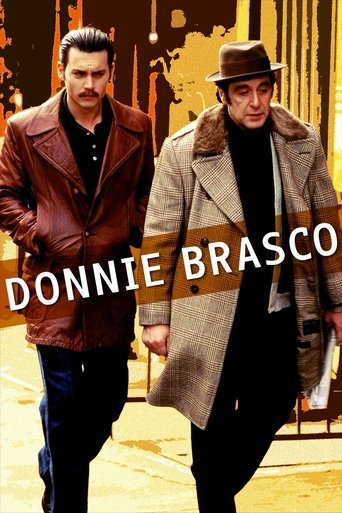
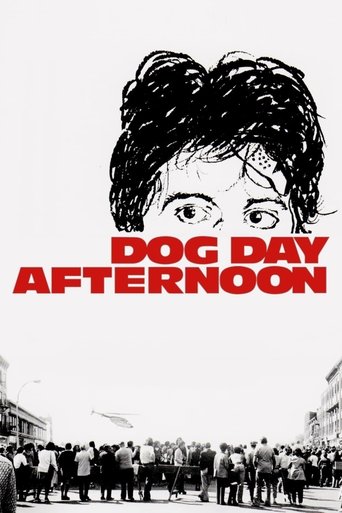
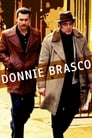
That New York roots matter when watching his work. The accent, the cadence, the streetwise energy that animates performances like Sonny in Dog Day Afternoon or Lefty Ruggiero in Donnie Brasco all trace back to the environment that shaped him long before Hollywood came calling.
Career Beginnings and Debut
Pacino's path to the screen ran through theater, where he honed the disciplined, interior style that would later define his film work. Stage training of this kind, rooted in deep character preparation, was common among the actors of his generation, and it gave Pacino a foundation that translated directly to the camera.
When he did move into movies, he did not arrive as a typical Hollywood leading man. His early screen appearances were modest, but his intensity was immediately apparent, and it did not take long for directors to recognize that this was an actor capable of carrying a film on the strength of presence alone.
The Breakthrough: Michael Corleone
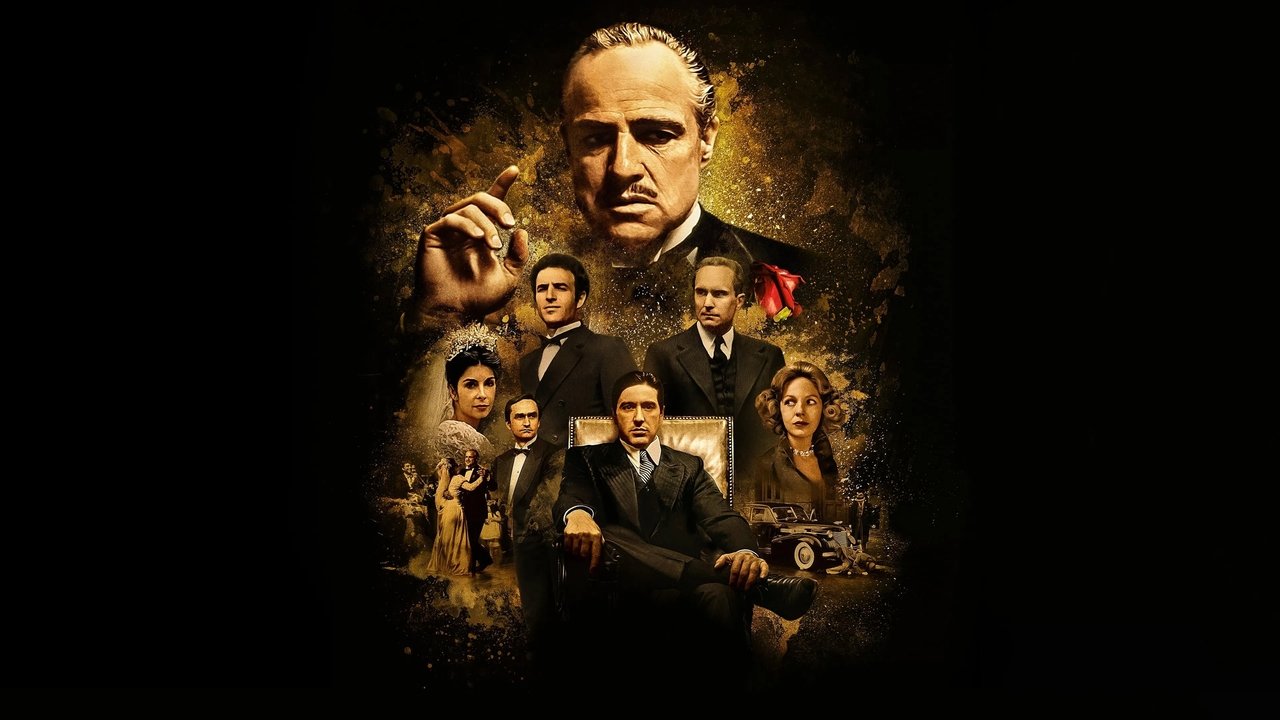
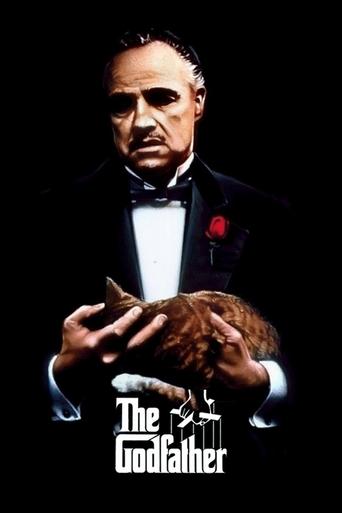
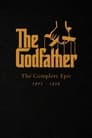
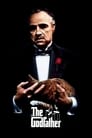
Everything changed with The Godfather in 1972. Cast as Michael Corleone, the war-veteran son who is drawn into his family's criminal empire, Pacino delivered a performance of quiet, gathering menace that stunned audiences and critics alike. The role earned him his first major award nominations and announced the arrival of a major screen talent.
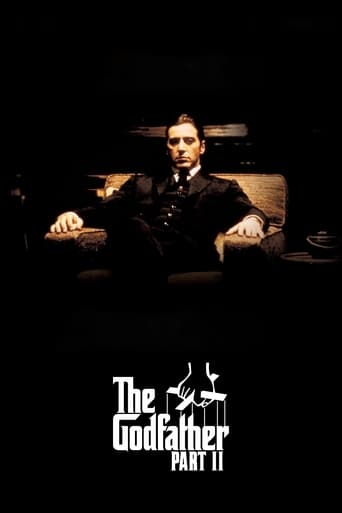
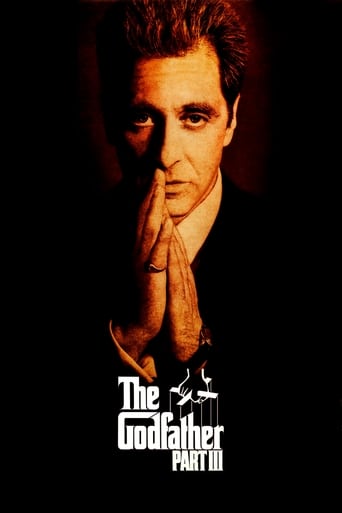
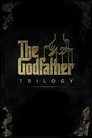
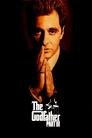
What made the performance so remarkable was its restraint. Rather than playing the character's transformation loudly, Pacino let it show in his eyes, his posture, his sudden stillness. He returned as Don Michael Corleone in The Godfather Part II in 1974, deepening the character into something colder and more tragic, and he closed the trilogy with The Godfather Part III in 1990. Across the three films, his Michael Corleone became one of the most studied character arcs in movie history.
The 1970s and 1980s: Establishing a Legend
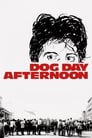
The decade after The Godfather confirmed that the breakthrough was no fluke. In Dog Day Afternoon (1975), Pacino played Sonny, a desperate man at the center of a botched bank robbery, turning a tense crime story into something anxious, human and darkly funny. The performance showcased his ability to play men unraveling in real time.
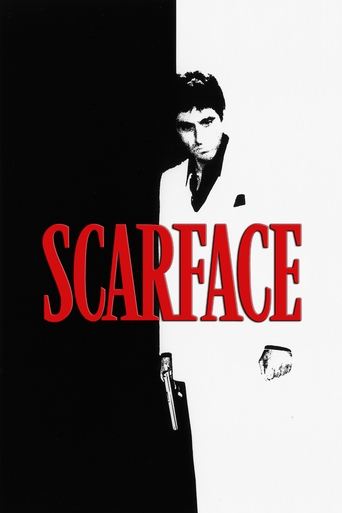
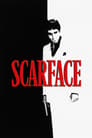
In 1983 he took on arguably his most quotable part: Tony Montana in Scarface. Loud, volatile and unforgettable, the performance became a touchstone of popular culture and demonstrated a side of Pacino that was bigger and more operatic than the whispering Michael Corleone. Together, these roles established the two poles of his screen persona: the coiled introvert and the erupting showman.
The 1990s: Acclaim and Reinvention
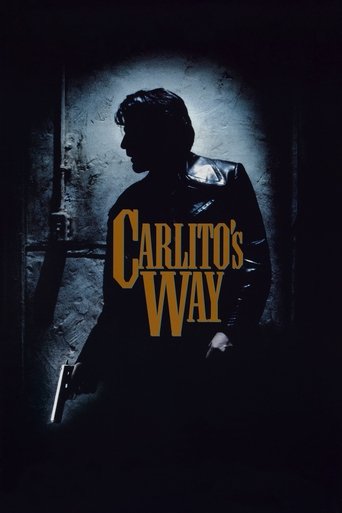
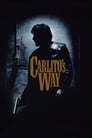
The 1990s were among the richest stretches of his career. In 1992 he played Lt. Col. Frank Slade in Scent of a Woman, a blind, irascible retired military officer, and the performance finally brought him the industry's highest acting honor. That same era produced Carlito Brigante in Carlito's Way (1993), a haunting portrait of a man trying to escape his past.
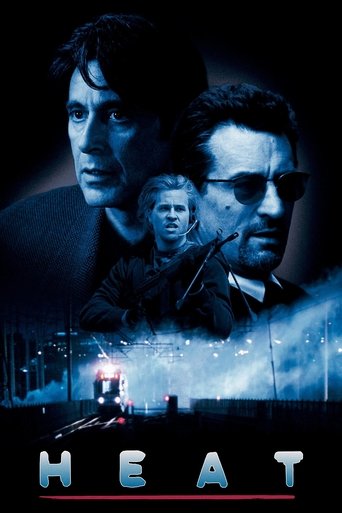
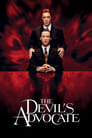
He also proved a magnetic antagonist and scene partner. As Lt. Vincent Hanna in Heat (1995), he anchored one of the most admired crime films of the decade. In 1997 he gave two very different performances: the seductively sinister John Milton in The Devil's Advocate, and Benjamin 'Lefty' Ruggiero in Donnie Brasco, a weary, heartbreaking turn as an aging gangster. The range on display across those years is staggering.
The 2000s and Beyond: The Veteran Years
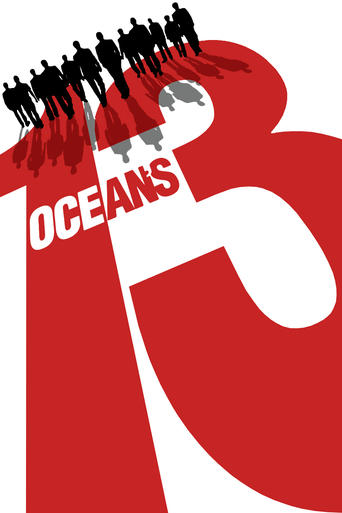
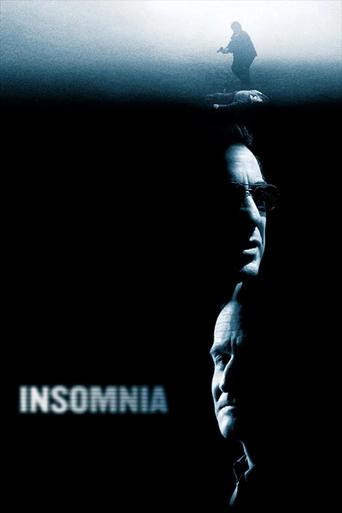
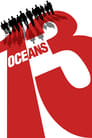
Pacino entered the new century still working at full intensity. In Insomnia (2002) he played Will Dormer, a detective whose guilt and exhaustion become as dangerous as any criminal, a role that traded his usual firepower for moral disintegration. In 2007 he brought flair and vanity to Willy Bank, the casino mogul of Ocean's Thirteen, showing a lighter, more playful touch.
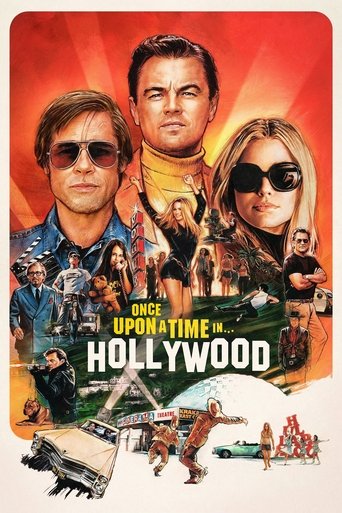
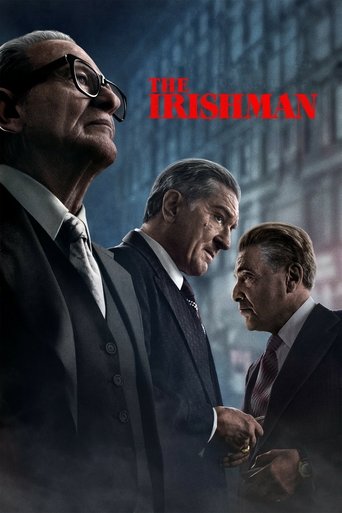
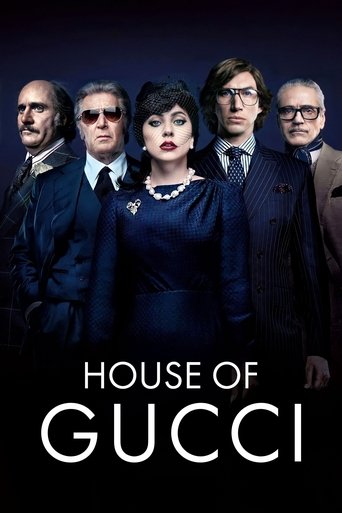
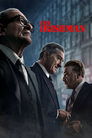
The 2010s and beyond brought a late-career renaissance. In 2019 he appeared twice on the big screen: as Marvin Schwarz in Quentin Tarantino's Once Upon a Time... in Hollywood, and, more consequentially, as Jimmy Hoffa in The Irishman, a towering performance as the legendary Teamsters leader. In 2021 he joined the ensemble of House of Gucci as Aldo Gucci, adding another memorable character to a filmography that now spans well over sixty movies.
Style, Range and Collaborators
Pacino's acting style is built on total commitment. He is known for immersing himself in characters, finding the emotional truth beneath the surface, and then delivering it with either explosive force or unnerving quiet. Few actors have moved so freely between the two modes, sometimes within a single performance.
His range across genres is equally notable: crime epics, thrillers, courtroom drama, dark comedy and ensemble capers all bear his stamp. Among his recurring collaborators, Brad Pitt stands out, with the two sharing the screen in two films, most memorably Heat. John Leguizamo is another repeat partner, appearing alongside Pacino in two titles. These partnerships reflect an actor whom major directors and fellow stars consistently sought out.
Recognition and Awards
Pacino's trophy shelf reflects a career of sustained excellence, including the Academy Award for Best Actor for Scent of a Woman, along with a long history of nominations for performances such as Michael Corleone and Sonny in Dog Day Afternoon. He belongs to the small group of performers honored across film, television and stage.
Beyond competitive awards, he has received major career honors recognizing his lifetime contribution to the performing arts. Precise details of every accolade are limited in scope here, but the overall picture is clear: he is regarded as one of the most decorated and respected actors of his generation.
Legacy and Where to Start
Pacino's legacy is simple to state and hard to overstate: he helped define what great screen acting looks like. Generations of performers have studied his work, and lines from his films have embedded themselves in popular culture. Even viewers who have never seen his movies recognize his characters.
For newcomers, a sensible starting path begins with The Godfather (1972), the essential entry point, followed by The Godfather Part II (1974) to complete the arc. Dog Day Afternoon (1975) shows his 1970s intensity at its peak, while Scarface (1983) delivers his most iconic larger-than-life turn. Finally, The Irishman (2019) proves the power was never lost, making it the perfect bridge between his classic and modern eras.
Frequently asked questions
Who is Al Pacino?
Al Pacino, born Alfredo James Pacino on April 25, 1940, in New York City, is an American actor famous for roles such as Michael Corleone in The Godfather and Tony Montana in Scarface, with a film career spanning more than five decades.
What role made Al Pacino famous?
His breakthrough was Michael Corleone in The Godfather (1972). The quiet, menacing performance earned him major award nominations, and he reprised the character in The Godfather Part II (1974) and The Godfather Part III (1990).
Did Al Pacino win an Academy Award?
Yes. He won the Academy Award for Best Actor for playing Lt. Col. Frank Slade, a blind retired military officer, in Scent of a Woman (1992), after earlier nominations for roles including Michael Corleone and Sonny in Dog Day Afternoon.
What are Al Pacino's most iconic movies?
Essential titles include The Godfather (1972), The Godfather Part II (1974), Dog Day Afternoon (1975), Scarface (1983), Heat (1995), Donnie Brasco (1997) and The Irishman (2019).
Is Al Pacino still acting?
Yes. His recent work includes roles in Once Upon a Time... in Hollywood (2019) as Marvin Schwarz, The Irishman (2019) as Jimmy Hoffa, and House of Gucci (2021) as Aldo Gucci, with his career extending to 2026.



































Comments (0)
Log in or create a free account to comment, rate and write reviews.