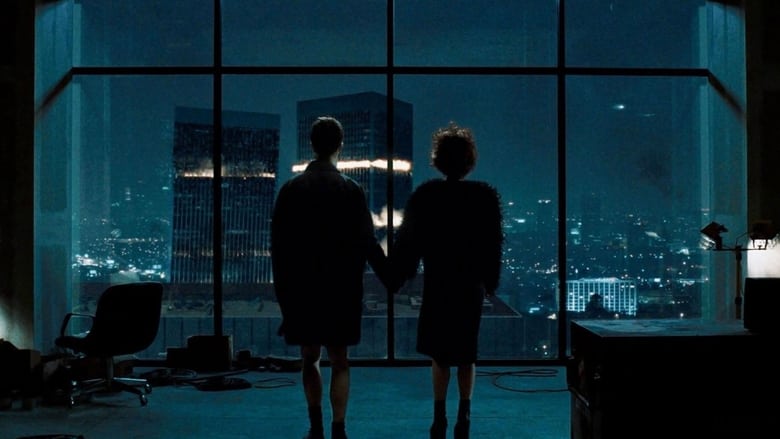


Few films have divided audiences, confounded marketers, and burrowed into the cultural bloodstream quite like Fight Club. David Fincher's 1999 drama-thriller arrived with a cryptic tagline — "Mischief. Mayhem. Soap." — and a story that seemed to be about men punching each other in basements. It was, in truth, about something far more unsettling: the rage simmering beneath a life of comfortable emptiness. More than two decades later, it still sparks arguments, essays, and late-night rewatches.
What Fight Club Is About (No Spoilers)
The story follows an unnamed narrator, a burnt-out office employee trapped by insomnia, deadening work, and an apartment full of furniture he ordered from catalogs. His doctor shrugs off his complaints, and his search for relief leads him to support groups for illnesses he doesn't have — until a woman named Marla Singer starts showing up and shatters the comfort of pretending.
Everything changes when he meets Tyler Durden, a soap salesman with sharp opinions about modern life and zero interest in playing by its rules. A chance encounter and a fistfight leave the narrator feeling strangely alive, and from that spark the first fight club is born: a secret gathering where men strip away their office personas and reconnect with something raw.
That's the setup, and saying more would rob first-time viewers of the experience. The film's keywords — dual identity, nihilism, dystopia, quitting a job — hint at the direction things take without giving anything away. Trust the film. Go in clean.
Standout Cast and Performances
Edward Norton anchors the film as the Narrator, delivering a performance built on exhaustion, repression, and slow-burning unraveling. Much of the movie rests on his voiceover and his ability to make passivity compelling, then pivot into something darker as events spiral.
Brad Pitt's Tyler Durden is one of the most magnetic screen introductions of its era — charismatic, reckless, and quotable in a way that made the character an instant cultural touchstone. Helena Bonham Carter brings jagged, deadpan energy as Marla Singer, the film's wildcard conscience, while Meat Loaf is quietly heartbreaking as Robert Paulson. Jared Leto, Holt McCallany, and Zach Grenier round out a supporting cast that gives even small roles a distinct, lived-in texture.
David Fincher Behind the Camera
Director David Fincher, fresh off Se7en and The Game, brought his signature precision to the project. Working from a screenplay by Jim Uhls, adapted from Chuck Palahniuk's novel, Fincher crafted a film that feels controlled on every level — lighting, framing, editing rhythm — even as its story descends into chaos.
The craft is a large part of why the film endures. Jeff Cronenweth's cinematography bathes the picture in a sickly, fluorescent gloom that matches the narrator's state of mind. James Haygood's editing, the industrial-tinged score from John King and Michael Simpson of the Dust Brothers, and Fincher's willingness to break the fourth wall all give the film a restless, self-aware energy. Produced by Fox 2000 Pictures, Regency Enterprises, Linson Entertainment, and 20th Century Fox, with producers Ross Grayson Bell, Ceán Chaffin, and Art Linson, it was a studio picture that looked and behaved like nothing else on the multiplex slate.
Themes, Tone, and Style
At its core, Fight Club is a drama about identity and dissatisfaction. Consumerism, emasculation, insomnia, and the hunger for authentic experience all thread through the story, wrapped in the language of rage and rebellion. The film asks what happens when men who feel invisible decide to make themselves impossible to ignore — and whether destruction can ever be a form of renewal.
Tonally, it's a tightrope walk: darkly funny one moment, genuinely disturbing the next. Fincher's stylized visuals and the narrator's wry narration keep things watchable even as the material turns bleak. The dystopian streak in the story, and its embrace of nihilism, made it a lightning rod on release, but that friction is part of its power. It's a film designed to provoke, not to comfort.
Who Will Enjoy It
Viewers who like their thrillers cerebral will find plenty to chew on, as will fans of twisty, character-driven dramas. Anyone drawn to stories about identity, anti-consumerist satire, or Fincher's brand of meticulous, moody filmmaking should consider it essential viewing.
It's less suited to those seeking a light night in. The violence is blunt, the worldview is abrasive, and the film demands attention — it rewards close watching and doesn't forgive distraction. First-timers should also be warned: this is a movie best experienced knowing as little as possible.
Where to Watch Fight Club in the US
For US viewers, Fight Club is widely available across digital platforms. It can be bought or rented through the Apple TV Store, Google Play Movies, Fandango At Home, Amazon Video, and YouTube, giving plenty of flexibility on where to add it to a library or stream it for an evening.
There's also a free, ad-supported option: Pluto TV carries the film, making it easy to revisit the classic without a purchase. Availability can shift over time, so it's worth double-checking a platform before settling in.
Similar Titles Worth Exploring
Fans of Fight Club's mind-bending structure and dark psychology have rich options. Fincher's own Se7en and The Game share its grim atmosphere and appetite for narrative gut-punches, while Shutter Island and Memento explore fractured identity with comparable twists.
For the satirical edge, American Psycho pairs consumer-culture critique with a unreliable narrator, and Being John Malkovich offers surreal identity games. Donnie Darko blends suburban dread with cult-favorite mystique, and The Matrix, released the same year, channels similar anti-system energy through a very different lens.
Frequently asked questions
Is Fight Club based on a book?
Yes. The film is adapted from Chuck Palahniuk's novel, with a screenplay by Jim Uhls. The adaptation keeps the novel's voice and ideas while reshaping the story for the screen under David Fincher's direction.
How long is Fight Club?
The film runs 139 minutes. It's a drama-thriller, so expect a deliberate build in the first act before the story accelerates into darker and more unpredictable territory.
Who stars in Fight Club?
Edward Norton plays the Narrator, Brad Pitt plays Tyler Durden, and Helena Bonham Carter plays Marla Singer. Meat Loaf, Jared Leto, Holt McCallany, and Zach Grenier appear in supporting roles.
Where can I stream Fight Club in the US?
It's available free with ads on Pluto TV. You can also rent or buy it digitally through the Apple TV Store, Google Play Movies, Fandango At Home, Amazon Video, and YouTube.
Is Fight Club worth watching today?
Yes. It holds a strong 8.4 rating on TMDB and remains a touchstone for its performances, direction, and twist-driven story. Viewers sensitive to violence or bleak themes should go in prepared.



























Comments (1)
Log in or create a free account to comment, rate and write reviews.
Test comment: Fincher's direction and the score still hold up remarkably well.