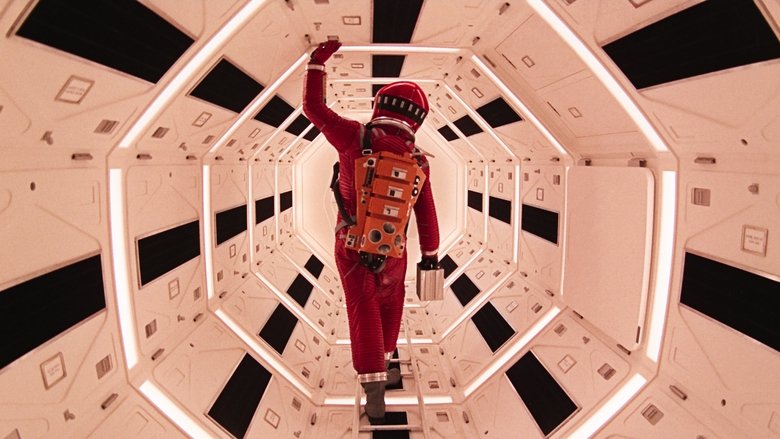
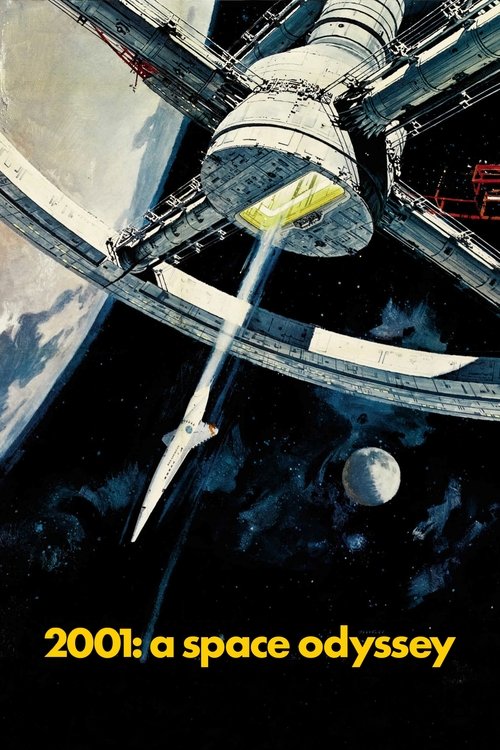


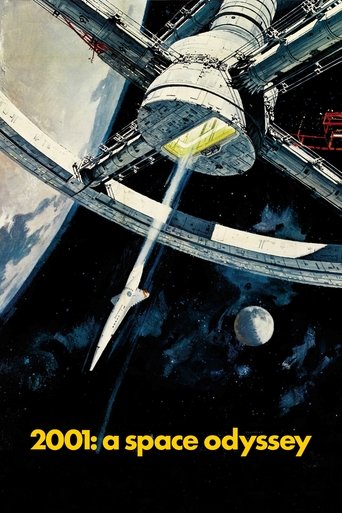
Few films have reshaped what cinema could be quite like 2001: A Space Odyssey. Released in 1968 and directed by Stanley Kubrick, this science fiction epic trades conventional plot for scale, silence, and ideas. More than five decades later, its images, its music, and its unnervingly calm supercomputer remain touchstones for filmmakers, scientists, and dreamers alike.
The Premise: A Mystery Buried on the Moon
The story spans nothing less than the history of human evolution. It begins at the dawn of humankind, then leaps forward to a near-future era of routine spaceflight, lunar bases, and sleek space stations. When scientists uncover a strange, deliberate object buried beneath the lunar surface, humanity is forced to confront evidence that it may not be alone in the universe.
That discovery sets in motion a mission to Jupiter aboard the spacecraft Discovery, carrying Dr. David Bowman and Dr. Frank Poole. Their journey is overseen by HAL 9000, a supercomputer so advanced it is effectively a sixth crew member. To say more would spoil the film's carefully engineered suspense; suffice it to say that the relationship between the astronauts and their machine becomes the emotional and philosophical core of the picture.
The tagline, "An epic drama of adventure and exploration," undersells the mystery element, but it captures the film's spirit: a patient, awe-struck look at humanity's place in the cosmos.
The Cast: Quiet Faces, One Unforgettable Voice
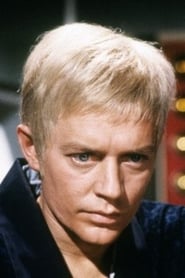
Kubrick's approach to casting favors restraint. Keir Dullea plays Dr. David Bowman, the mission's most level-headed presence, conveying fear and resolve with minimal dialogue. Gary Lockwood's Dr. Frank Poole complements him as the more routine-bound of the two astronauts, and their understated performances ground the film's cosmic ambitions.
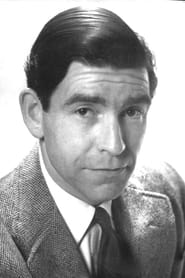
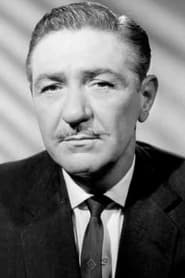
William Sylvester appears as Dr. Heywood Floyd, the scientist-slash-bureaucrat who travels to the Moon to investigate the discovery, while Leonard Rossiter, Robert Beatty, Sean Sullivan, and Margaret Tyzack fill out the international scientific community around him. Daniel Richter, a mime artist, performs the physically demanding role of Moonwatcher in the film's opening stretch, a part told entirely without words.
The most celebrated performance belongs to Douglas Rain, whose voice work as HAL 9000 remains one of cinema's great achievements. Gentle, courteous, and faintly wounded, Rain's HAL is more human than many human characters on screen, which is precisely why the computer's arc unsettles audiences so deeply.
Kubrick Behind the Camera: Craft as Spectacle
2001 was produced by Stanley Kubrick and Victor Lyndon through Stanley Kubrick Productions in partnership with Metro-Goldwyn-Mayer. Kubrick co-wrote the screenplay with Arthur C. Clarke, the renowned science fiction author, and the film is based on material developed from their collaboration; Clarke's writing is often credited with giving the story its scientific backbone.
The production is a case study in obsessive craftsmanship. Cinematographer Geoffrey Unsworth helped create images of space that still look convincing today, from rotating spacecraft interiors to meticulously composed vistas of the Moon and Jupiter. Ray Lovejoy's editing shapes the film's famously bold structure, including one of the most discussed match cuts in movie history.
Kubrick insisted on realism over fantasy: no laser blasts, no rubber monsters, just weight, silence, and light. That discipline is why the film's special effects aged far better than most of its era, and why it won admiration from audiences within the actual space industry.
Themes, Tone, and Style: Man Versus Machine Among the Stars
At its heart, 2001 is about evolution and intelligence, both biological and artificial. Its keywords tell the story: technology, space travel, a super computer, artificial intelligence, and humankind's long climb from primitive origins toward the stars. The film asks whether our tools elevate us or threaten to replace us, a question that has only grown more urgent in the age of real-world AI.
The tone is contemplative, almost meditative. Dialogue is sparse, and long stretches unfold through imagery and music rather than conversation. Viewers expecting constant action may find the pacing demanding, but the film rewards patience with sequences of genuine grandeur and dread.
Stylistically, it is a bridge between the adventure films of earlier decades and the darker, more speculative science fiction that followed. Its ambiguity is deliberate: Kubrick designed the ending to provoke interpretation rather than deliver answers, which is why it is still argued about today.
Who Will Enjoy It
2001 suits viewers who treat film as an art form as much as entertainment. Fans of cerebral science fiction, deliberate pacing, and striking visuals will find it essential. It also resonates with anyone interested in artificial intelligence, space exploration, or the history of filmmaking, since so much modern sci-fi traces back to it.
Casual movie nights are a different matter. Those seeking fast plots, witty banter, or clear explanations may find it slow and opaque. The ideal approach: watch it on the biggest screen available, with good sound, and let it wash over you rather than trying to decode every scene on first viewing.
Where to Watch in the US
For US viewers, the film is widely accessible. It is available to stream on a subscription basis through HBO Max and the HBO Max Amazon Channel, making it the easiest option for subscribers.
If you prefer digital ownership, it can be purchased from the Apple TV Store, Google Play Movies, Fandango At Home, Amazon Video, and YouTube. Rental options cover the same storefronts, plus Spectrum On Demand, so a one-off viewing is easy to arrange without a subscription.
Similar Titles Worth Exploring
If 2001 grips you, Kubrick's other work is the natural next stop, each film bearing his signature control and unsettling precision. Arthur C. Clarke's novels offer the literary counterpart, expanding the ideas behind the screen story.
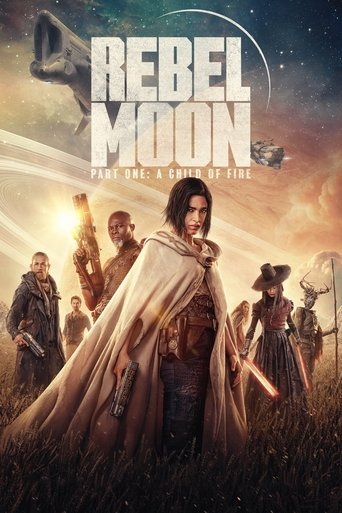
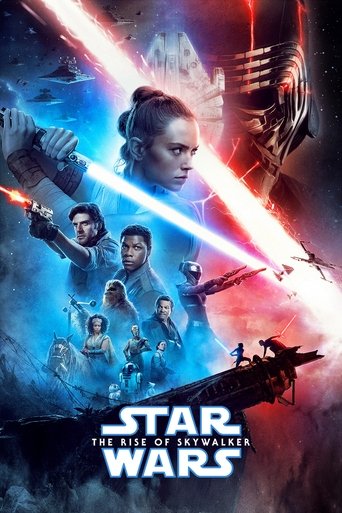
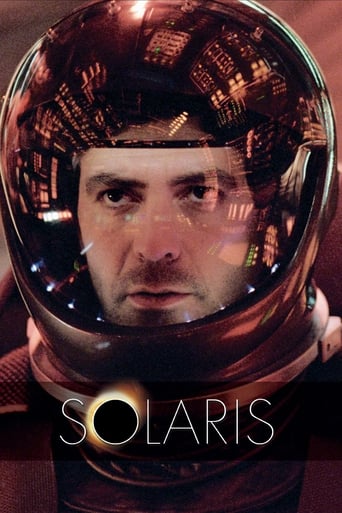
Within science fiction, later films that probe artificial intelligence, space travel, and humanity's cosmic significance make strong companions, particularly the cerebral, effects-driven epics and slow-burn astronaut dramas that followed in cinema's post-2001 tradition. Viewers drawn to the man-versus-machine tension may also enjoy thrillers centered on computers and technology, while those captivated by the film's contemplative pace should seek out modern space pictures that favor realism over spectacle.
Frequently asked questions
What is 2001: A Space Odyssey about without spoilers?
Humanity discovers a mysterious object buried beneath the lunar surface and mounts a mission to Jupiter to investigate its origins. The journey is managed by HAL 9000, an advanced supercomputer, and tensions between the crew and their machine drive the story.
When was 2001: A Space Odyssey released and how long is it?
The film premiered in 1968 and runs approximately 149 minutes. It was directed by Stanley Kubrick and produced through Stanley Kubrick Productions with Metro-Goldwyn-Mayer.
Who voices HAL 9000?
Douglas Rain provides the voice of HAL 9000. His calm, courteous delivery is widely regarded as one of the most memorable vocal performances in film history, defining cinema's most famous artificial intelligence.
Is 2001 based on a book?
Yes. The screenplay was written by Stanley Kubrick and science fiction author Arthur C. Clarke, developed from their collaborative work. Clarke's writing is closely tied to the film, and the story is often associated with his prose.
Where can I stream 2001: A Space Odyssey in the US?
It streams on HBO Max and the HBO Max Amazon Channel. You can also rent or buy it digitally from the Apple TV Store, Google Play Movies, Fandango At Home, Amazon Video, and YouTube, with rentals also on Spectrum On Demand.









Comments (0)
Log in or create a free account to comment, rate and write reviews.