

Some actors become famous for their faces; Ted Levine became famous for his presence. Across a career spanning dozens of films and television series, this American character actor has played killers, cops, wardens and generals, always with a grounded intensity that makes even small parts memorable. For viewers who recognize him instantly but know little about him, his filmography rewards a closer look.
Who Is Ted Levine and Why He Matters
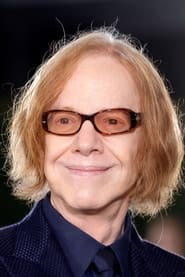
Ted Levine is an American actor whose name may not top marquee billing, yet his work sits at the center of some of the most discussed films and television shows of the past several decades. He is best known for two very different performances: the chilling Jame Gumb in The Silence of the Lambs and the steady, humane Captain Leland Stottlemeyer on the detective series Monk.
That range is the point. Levine belongs to the class of performers directors call when they need a scene to feel dangerous, official or true. Whether the material is a psychological thriller, a police procedural, a big-budget adventure or an animated superhero show, he brings the same unshowy conviction.
For audiences in any market, he is a useful actor to know: spotting him in a cast is often a reliable sign that a supporting role will be handled with care.
Early Life and Background
Ted Levine was born on May 29, 1957, in Parma, Ohio, in the United States. Beyond those basic facts, details of his upbringing are not widely publicized, and this article will not speculate about them.
What matters for viewers is the trajectory: an Ohio-born actor who built a career almost entirely through work rather than celebrity, accumulating credits across film and television until the roles themselves told his story.
Career Beginnings and Early Television Work
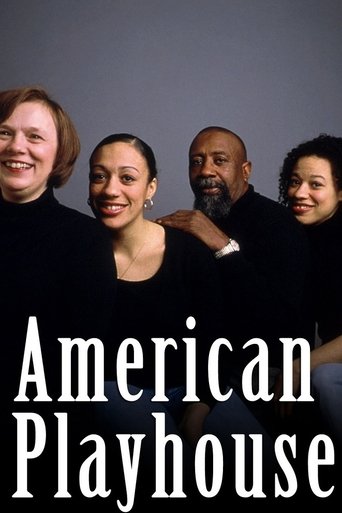
Levine's earliest credited appearance in the provided filmography is a role as a Policeman in the anthology series American Playhouse. It is a modest start, and a fitting one: from the beginning, his work leaned toward authority figures and men in uniform, a lane he would mine for decades.
Like many American character actors of his generation, he spent his early years building a resume one part at a time, moving between television and film until a breakthrough changed the scale of his opportunities.
The Breakthrough: Buffalo Bill
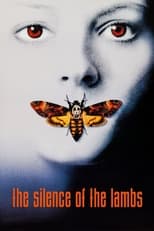
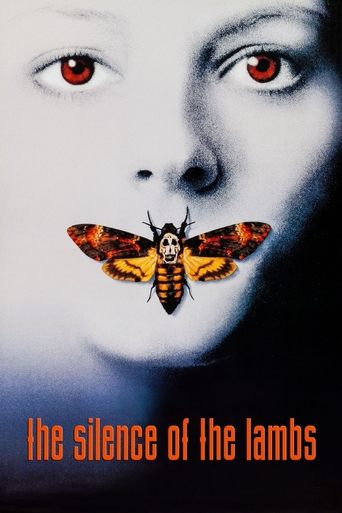
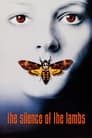
The role that defined Levine's public image arrived with The Silence of the Lambs, released in 1991. As Jame Gumb, the serial killer whom the film's investigation circles ever closer, Levine created one of cinema's most unsettling antagonists.
The performance is a study in controlled wrongness: soft-spoken, mannered, and deeply disturbing without ever tipping into caricature. It is a testament to his skill that the role remains iconic more than thirty years later, and it is the reason many viewers first learned his name.
Notably, the part could have typecast him permanently. That it did not is due to the sheer variety of work he took afterward.
The 1990s: Establishing Range
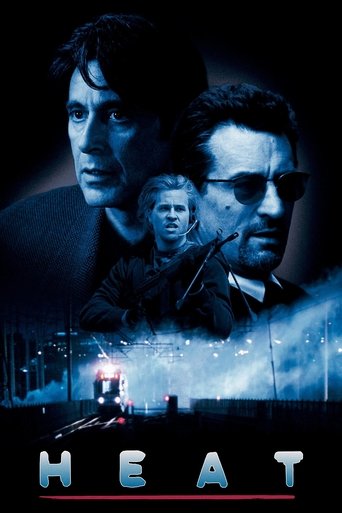
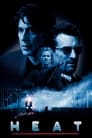
Following the breakthrough, Levine spent the decade proving he was more than one terrifying performance. In Heat, Michael Mann's crime epic released in 1995, he played Bosko, joining an ensemble of seasoned professionals in a film prized for its craft.
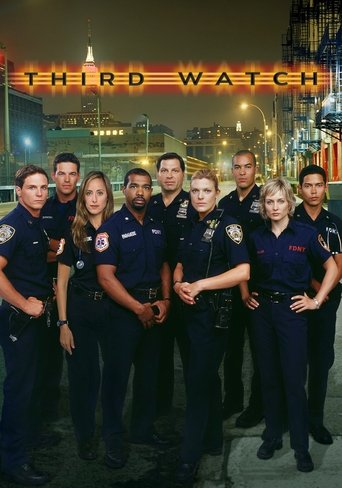
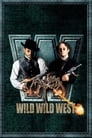
In 1999 he appeared twice on the big screen in very different registers: as General 'Bloodbath' McGrath in the rollicking adventure Wild Wild West, and as Brian O'Malley in the television drama Third Watch, which premiered that same year. The pairing showed his comfort in both broad entertainment and grounded ensemble drama.
By the end of the decade he had become a reliable fixture in American film and television, the kind of actor whose appearance in a cast list reassures rather than merely fills space.
The 2000s: Stottlemeyer and Steady Work
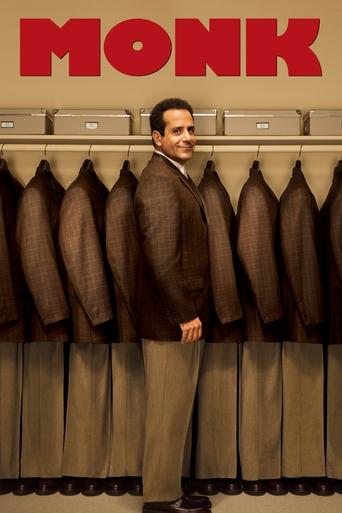
Television gave Levine his second signature role. Beginning in 2002, he played Captain Leland Stottlemeyer on Monk, the detective comedy-drama about a brilliant investigator with obsessive-compulsive disorder. As the police captain who both manages and protects his difficult friend, Levine supplied warmth and comic timing, balancing the show's eccentric humor with genuine emotional weight.
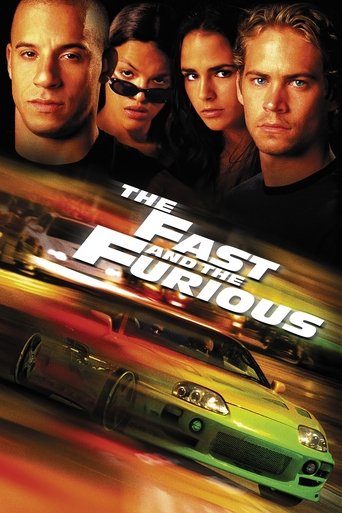
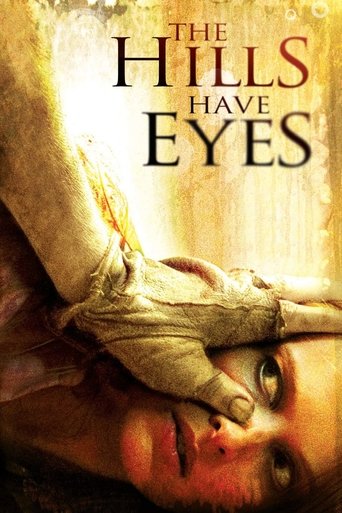
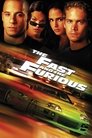
The decade also brought a steady stream of film work. In 2001 he played Sgt. Tanner in The Fast and the Furious, the franchise-launching street-racing hit. In 2004 he voiced the villain Sinestro in the animated series Justice League Unlimited, adding voice acting to his repertoire. In 2005 he appeared as Colonel Derricks in Memoirs of a Geisha, and in 2006 he took on the role of Big Bob in the horror remake The Hills Have Eyes.
Few actors move so easily between prestige drama, action, horror and animation. Levine's 2000s output is a masterclass in versatility.
The 2010s and Beyond: Recent and Upcoming Work
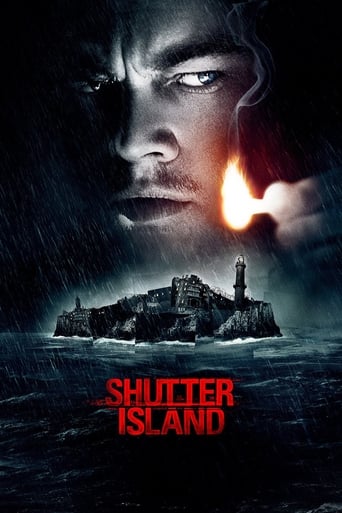
Levine entered the new decade with a memorable turn as the Warden in Shutter Island, the 2010 psychological thriller directed by Martin Scorsese. Even in a film crowded with strong performances, his brief, authoritative appearance registers.
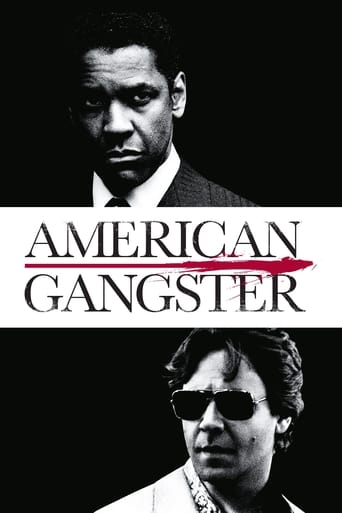
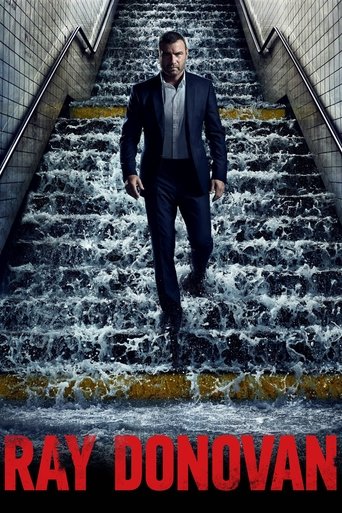
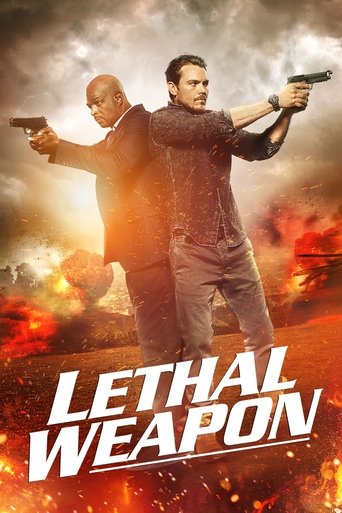
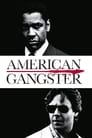
In 2013 he joined the cast of the crime series Ray Donovan as Bill Primm, and in 2016 he appeared in the television adaptation Lethal Weapon as Ned Brower. In 2007 he had played Lou Toback in American Gangster, Ridley Scott's sprawling crime drama, further cementing his association with lawmen and criminals on both sides of the line.
In 2018 he played Ken Wheatley in Jurassic World: Fallen Kingdom, bringing a hard-edged mercenary menace to one of the biggest blockbusters of the decade. His career remains active, with the provided filmography extending to 2026 and encompassing 49 movies and 27 television series.
Style, Range and Legacy
Levine's acting style is built on economy. He rarely overplays; instead he uses stillness, posture and a low, deliberate voice to suggest men who are used to being obeyed. That quality made his Buffalo Bill unforgettable and makes his countless officers, wardens and commanders credible.
Yet the Monk years revealed another side entirely: patience, humor and tenderness. Stottlemeyer's exasperated affection for the title character became one of that show's emotional anchors, and it demonstrated that the actor behind cinema's most feared villain could also be one of television's most comforting presences.
His legacy is that of the quintessential American character actor: never the star of the poster, but often the reason a scene works. For viewers wondering where to start, five titles make an excellent introduction: The Silence of the Lambs for the iconic villain, Monk for the warmest long-form performance, Heat for classic ensemble crime cinema, Shutter Island for a brief but striking turn, and Jurassic World: Fallen Kingdom to see him commanding a modern blockbuster.
Frequently asked questions
What is Ted Levine best known for?
He is best known for playing the serial killer Jame Gumb, often called Buffalo Bill, in The Silence of the Lambs, and for his long-running role as Captain Leland Stottlemeyer on the detective series Monk.
When and where was Ted Levine born?
Ted Levine was born on May 29, 1957, in Parma, Ohio, in the United States.
Did Ted Levine play a villain in The Silence of the Lambs?
Yes. He portrayed Jame Gumb, the serial killer at the center of the film's investigation. The performance is widely regarded as one of the most unsettling villain turns in American cinema.
Was Ted Levine in any animated projects?
Yes. He provided the voice of the villain Sinestro in the animated series Justice League Unlimited, adding voice work to a career otherwise rooted in live-action film and television.
How many films and TV shows has Ted Levine appeared in?
According to his career record, he has appeared in 49 movies and 27 television series, with credits spanning from early anthology television through major recent blockbusters.





























Comments (0)
Log in or create a free account to comment, rate and write reviews.