

Few performers have blurred the line between comedy and performance art quite like Sacha Baron Cohen. The English actor and comedian, born in Hammersmith, London, turned invented personalities into a global phenomenon, fooling real people into revealing themselves on camera. Beyond the provocations, he has built a surprisingly varied résumé: animated villains-turned-kings, a menacing station inspector, a singing barber's assistant, and a personification of Time itself.
Early Life and Background
Sacha Noam Baron Cohen was born on 13 October 1971 in Hammersmith, London, England. That much is a matter of public record; detailed accounts of his upbringing and schooling are best left to authorized biographies, and this article sticks to what can be confirmed.
What matters for viewers is the trajectory that followed: a performer from the British capital who would eventually become one of the most talked-about comedic figures of his generation, first in the United Kingdom and then on American late-night television and in Hollywood features.
Career Beginnings and the Birth of Ali G
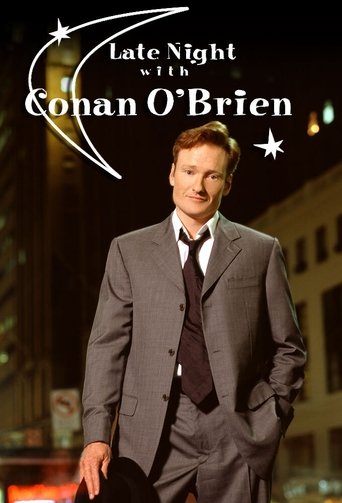
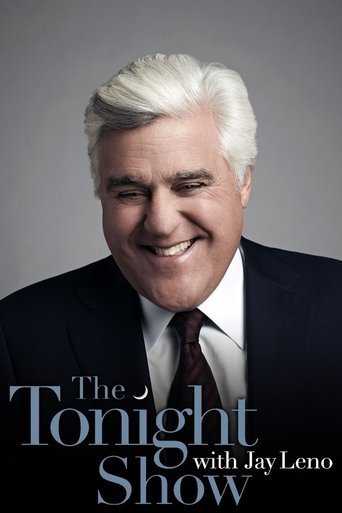
Baron Cohen's early television appearances included a spot on The Tonight Show with Jay Leno in 1992 and, in 1993, a turn as Ali G on Late Night with Conan O'Brien. The character—whose full name, Alistair Leslie Graham, became one of his signature creations—would go on to define his first wave of fame.
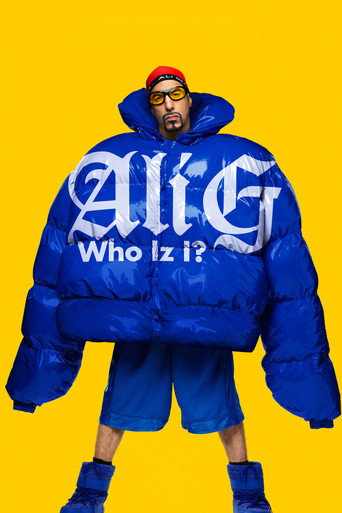
Ali G was an interview-based satire: a clueless, would-be gangster persona who got public figures to treat absurd questions with complete seriousness. The format proved contagious and traveled well, laying the groundwork for the mockumentary style Baron Cohen would later perfect with other characters.
The Breakthrough: Borat
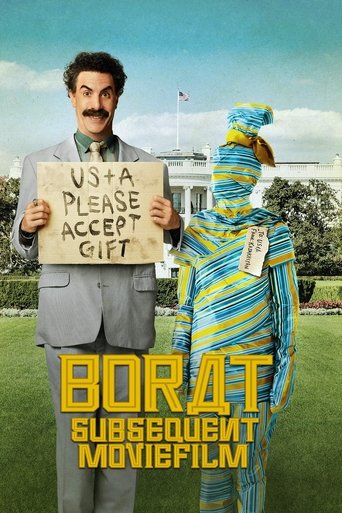
The 2006 film Borat: Cultural Learnings of America for Make Benefit Glorious Nation of Kazakhstan was the moment Baron Cohen became a household name worldwide. Playing the fictional Kazakh journalist Borat Sagdiyev, he let a scripted character loose on unscripted, unprepared members of the public, producing comedy that doubled as social commentary.
The film's impact went far beyond laughs. Borat became a global catchphrase generator, and the character proved durable enough that Baron Cohen reprised him on Saturday Night Live (uncredited) and on Jimmy Kimmel Live! in 2003, years before the feature film proper. Few comic creations have escaped their original format so completely.
Notable Roles and Projects Through the Decades
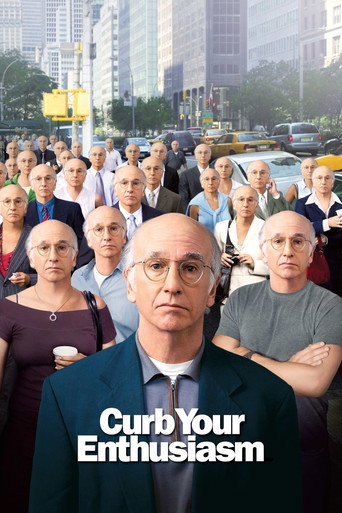
Baron Cohen's film and television footprint stretches across an unusually long timeline—his credited appearances reach back to the 1970s and 1980s, including a voice part (Jakob) in The Simpsons in 1989 and a role as Guide #2 in an episode of Curb Your Enthusiasm in 2000.
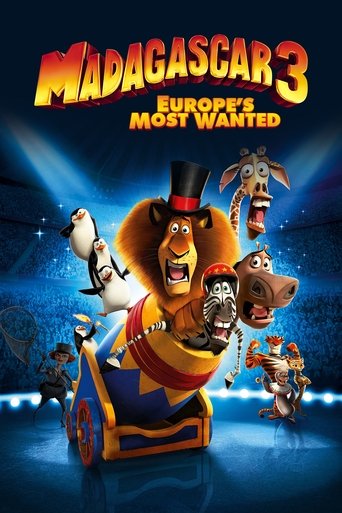
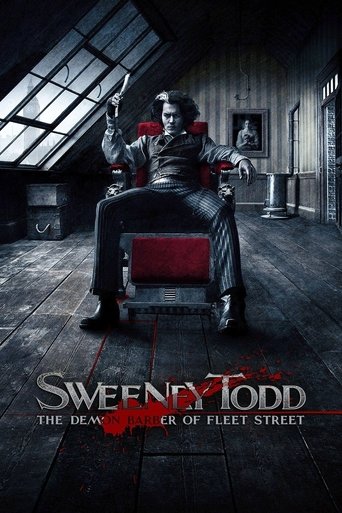
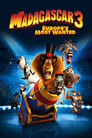
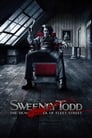
The mid-2000s brought a burst of screen work. In 2005 he voiced King Julien, the self-crowned lemur, in Madagascar, a part he returned to in Madagascar: Escape 2 Africa in 2008 and Madagascar 3: Europe's Most Wanted in 2012. In 2007 he showed a different register as Pirelli in Sweeney Todd: The Demon Barber of Fleet Street, a role requiring genuine singing and a darker comedic touch.
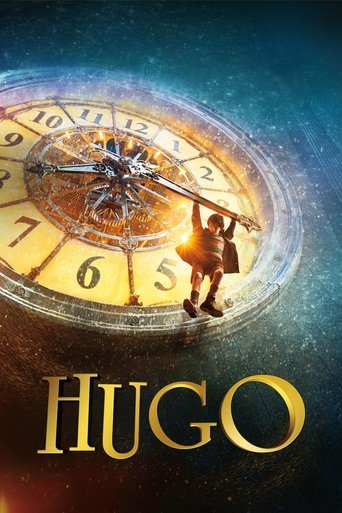
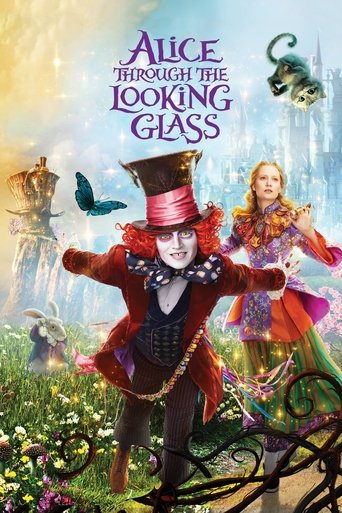
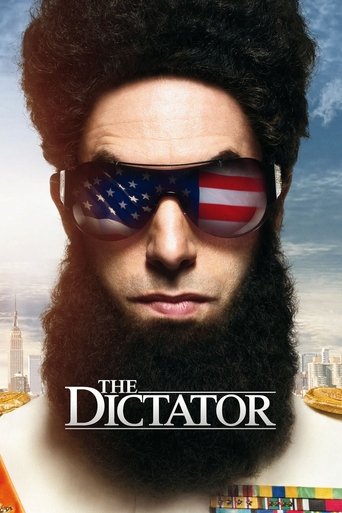
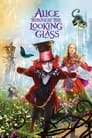
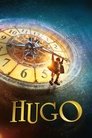
The 2010s continued the pattern of range. He played dual roles as Aladeen and Efawadh in The Dictator in 2012, the same year his Julien voiced one last adventure. In 2011 he delivered a surprisingly menacing, largely serious turn as the Station Inspector in Hugo, and in 2016 he played Time itself in Alice Through the Looking Glass. By 2021 he was voicing Uncle Ugo in Pixar's Luca—proof he could be warm and understated as easily as outrageous.
Frequent Collaborators and Recurring Characters
Baron Cohen's career is defined less by a fixed ensemble than by recurring characters. Ali G, Borat Sagdiyev, and Admiral General Aladeen each appeared across multiple shows and films, becoming recognizable figures on talk shows and sketch programs alike.
His talk-show presence spans decades and networks: from Late Night with Conan O'Brien in 1993 and The Tonight Show with Jay Leno in 1992 to Jimmy Kimmel Live! in 2003 and a guest appearance as Borat on Saturday Night Live. In animation, the Madagascar franchise became his most consistent long-term collaboration, with King Julien anchoring all three films between 2005 and 2012.
Style and Range Across Genres
Baron Cohen's signature method combines improvisation, disguise, and endurance. His satirical characters depend on long stretches in persona, often in front of people who do not realize they are in a comedy. That willingness to stay in character under pressure has led many critics to describe his work as closer to performance art than conventional sketch comedy.
Yet the range is real. He can voice a flamboyant lemur king for family audiences, play a sinister Victorian inspector in a period drama, sing in a Sweeney Todd musical, and lend a gentle voice to a Pixar sea-creature uncle. Few comic actors move this comfortably between provocation, musical theater-style turns, and family animation.
Awards and Recognition
Detailed, verified award listings for Baron Cohen are limited in the materials available here, so this article avoids specific claims about trophies or nominations. What can be said confidently is that his work has earned substantial critical attention: the Borat film in 2006 in particular was widely discussed and celebrated as a landmark of satirical comedy.
His recognition exists on two tracks. The character-driven provocations made him a favorite of comedy critics and awards bodies, while the straighter dramatic and voice roles—Hugo, Luca, the Madagascar films—earned respect for versatility. Readers seeking a complete awards record should consult a dedicated filmography database.
Legacy and Where to Start
Baron Cohen's influence is visible in an entire generation of hidden-camera and character-based comedy. The idea that a performer could sustain a fictional identity across interviews, talk shows, and feature films—and use it to expose hypocrisy—now feels standard; he helped make it so.
For newcomers, a sensible starting path: begin with Borat (2006), the definitive statement of his satirical method. Follow with The Dictator (2012) for a scripted, accessible take on his political-comedy instincts. Then watch Sweeney Todd (2007) to see his musical-comedy craft, Hugo (2011) for his serious side, and, for pure family fun, Madagascar (2005) to meet King Julien. Together these five titles cover the full spread of his talent.
Frequently asked questions
Who is Sacha Baron Cohen?
An English actor and comedian, born 13 October 1971 in Hammersmith, London. He is best known for creating and performing satirical characters such as Ali G and Borat Sagdiyev, as well as voicing King Julien in the Madagascar films.
What is Sacha Baron Cohen's most famous character?
Borat Sagdiyev, the fictional Kazakh journalist from the 2006 film Borat: Cultural Learnings of America for Make Benefit Glorious Nation of Kazakhstan. The character also appeared on shows including Saturday Night Live and Jimmy Kimmel Live!.
Does Sacha Baron Cohen do voice acting?
Yes. He voiced King Julien in Madagascar (2005), Madagascar: Escape 2 Africa (2008), and Madagascar 3: Europe's Most Wanted (2012), played Jakob in The Simpsons (1989), and voiced Uncle Ugo in Luca (2021).
Has Sacha Baron Cohen acted in serious roles?
Yes. He played the Station Inspector in Hugo (2011), a largely straight dramatic turn, and Pirelli in Sweeney Todd: The Demon Barber of Fleet Street (2007), which required singing alongside darker comedy.
Where should I start with Sacha Baron Cohen's work?
Start with Borat (2006) for his signature satirical style, then try The Dictator (2012), Sweeney Todd (2007), Hugo (2011), and Madagascar (2005) to see his full range from provocation to family animation.
































Comments (0)
Log in or create a free account to comment, rate and write reviews.