
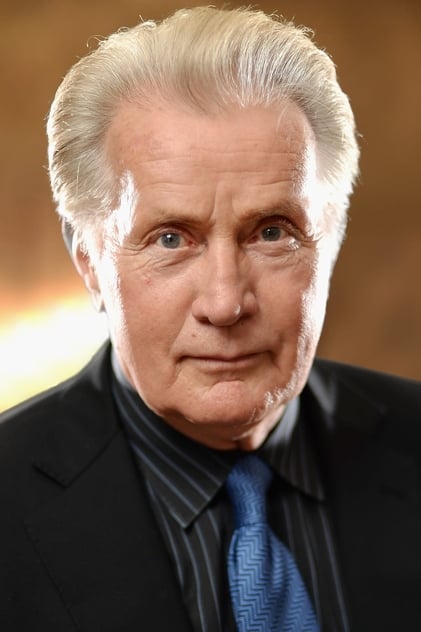
Few American actors have stayed in the public eye as long as Martin Sheen. Born Ramón Antonio Gerardo Estévez in 1940 in Dayton, Ohio, he built a career stretching from the mid-1950s into the 2020s, moving between film and television with remarkable ease. Audiences know him as the haunted river captain of Apocalypse Now and the presidential calm of The West Wing, but his resume runs far deeper. Here is a look at how he got there, and where to start watching.
Early Life and a Name Change
Martin Sheen was born on August 3, 1940, in Dayton, Ohio, with the name Ramón Antonio Gerardo Estévez. When he began pursuing acting professionally, he adopted the stage name Martin Sheen, a practical decision made to help him secure acting work in an industry that was not always welcoming to names like his.
The change was purely professional. He never legally abandoned his birth name, and it remains a meaningful part of his identity, one he has spoken about openly throughout his public life.
Television Beginnings
Sheen's early career unfolded largely on television, the standard proving ground for actors of his generation. Through the 1960s he appeared in a string of major network series, often in single-episode guest roles that showcased his range across genres.
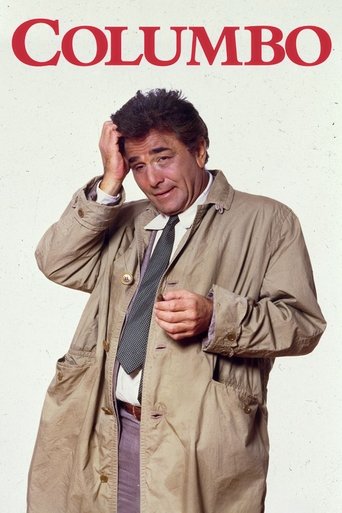
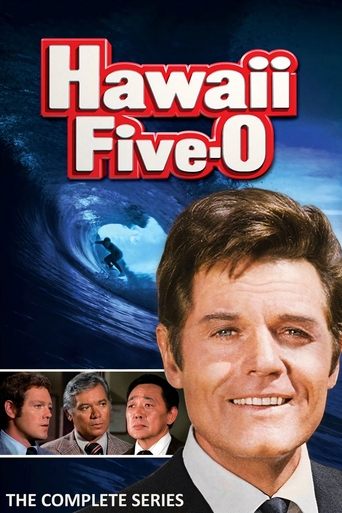
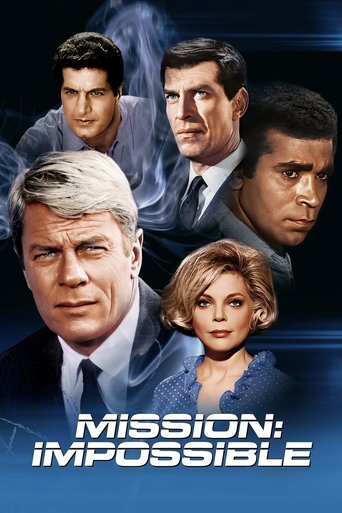
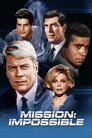
His credits from that era include Mission: Impossible in 1966, Ironside in 1967, Hawaii Five-O in 1969, and Love, American Style, also in 1969. A particularly notable early credit came in 1971, when he played Karl Lessing in an episode of Columbo, the celebrated detective series known for attracting top-tier guest actors.
These appearances built the steady reputation that would carry him into film.
Breakthrough: Apocalypse Now
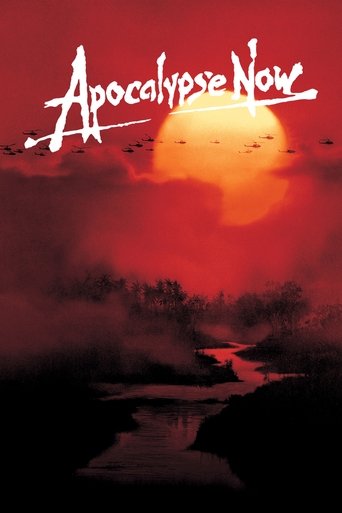
The role that cemented Sheen's standing in cinema came in 1979, when he starred as Captain Benjamin Willard in Apocalypse Now. Playing a jaded army officer sent upriver on a shadowy mission, Sheen anchored one of the most talked-about war films ever made.
His performance was widely praised and earned him a nomination for the BAFTA Award for Best Actor. It also placed him at the center of a production famous for its ambition and difficulty, and his portrayal of Willard remains the role many viewers name first when his career comes up.
The 1980s and 1990s: Voice Work and Television Presence
Sheen's range extended into narration. He served as the voice of the documentary series Nature, credited in 1982, a job that suited his measured, authoritative delivery and kept him in front of a different kind of audience.
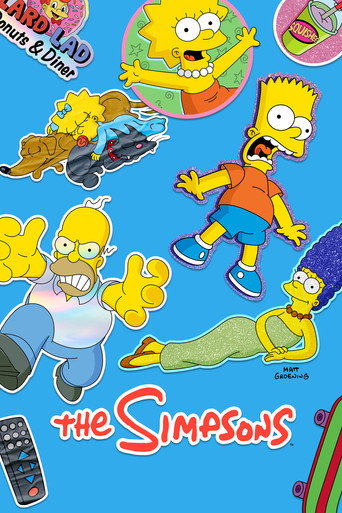
He also turned up in unexpected places. In 1989 he contributed a voice performance to The Simpsons, playing the character known as the Real Seymour Skinner in the long-running animated comedy's early years.
The decade also brought formal recognition of his stature: Sheen received a star on the Hollywood Walk of Fame in 1989, a marker of how firmly established he had become after two decades in the business.
Presidential Authority: The West Wing
In 1999 Sheen took on the role that introduced him to a new generation of viewers: President Josiah Bartlet in the television series The West Wing. The series, set in the corridors of the White House, became a cultural touchstone, and Sheen's Bartlet was its moral center.
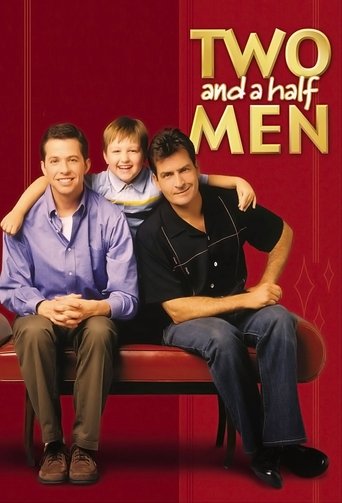
The work brought him a Golden Globe and two Screen Actors Guild awards, along with an Emmy for a guest-starring turn in the sitcom Murphy Brown. His television resume continued to grow in the 2000s with an appearance in Two and a Half Men in 2003.
Character Work in Major Films
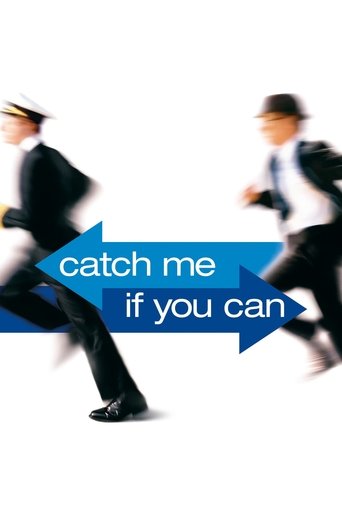
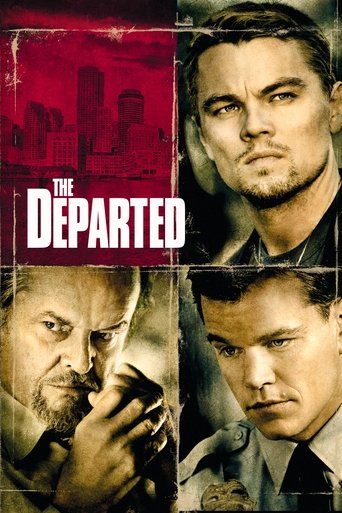
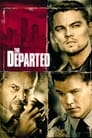
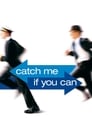
The 2000s and 2010s showed Sheen thriving in supporting roles for prominent directors. In 2002 he appeared in Catch Me If You Can as Roger Strong, and in 2006 he played Queenan in The Departed, joining the cast of the acclaimed crime thriller.
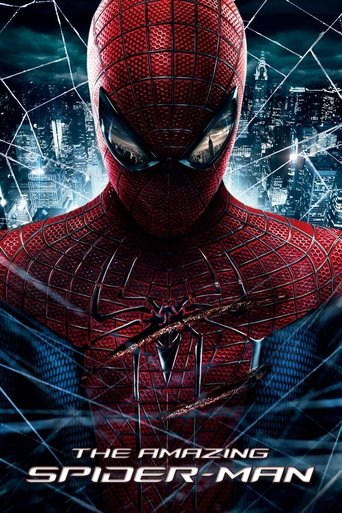
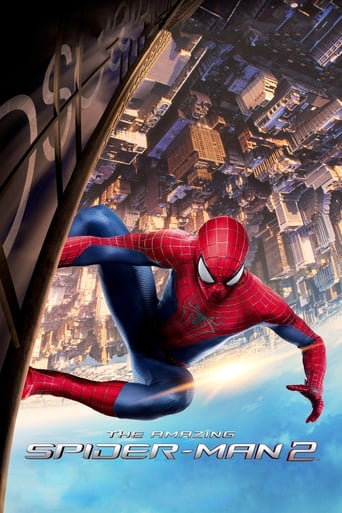
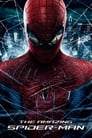
In 2012 he took on the role of Uncle Ben in The Amazing Spider-Man, bringing warmth and gravity to the superhero reboot's family core. He returned to the part in 2014 for The Amazing Spider-Man 2, this time uncredited.
His presence extended well past scripted drama. In 2022 he appeared as an actor on The Jennifer Hudson Show, and his television history, spanning some forty series and thirty films across his career, reflects one of the busiest working lives in the industry.
Style, Range and Collaborators
Sheen's acting style is often described in terms of quiet intensity. Whether playing a soldier unraveling on a river, a president under pressure, or a warm uncle in a comic-book film, he brings a grounded, everyman quality that makes authority feel earned rather than assumed.
His range is unusually broad for an actor of his era. He has moved between war epics and sitcoms, prestige dramas and animated comedies, network procedurals and voice narration. Little in his filmography feels like a stretch he cannot make.
That versatility made him a natural choice for a wide variety of directors, and his career includes work with a remarkable roster of filmmakers across different eras and sensibilities, from intimate character dramas to large-scale ensemble productions.
Legacy and Where to Start
Nearly seventy years after his first screen work, Sheen's legacy rests on a few pillars: the raw power of Apocalypse Now, the statesmanlike grace of The West Wing, and a decades-long television history that few can match. He remains a reference point for character actors and leading men alike.
For newcomers, three titles make an ideal starting point. Begin with Apocalypse Now for his defining film performance. Follow with The West Wing to see why his Bartlet won a Golden Globe and two SAG awards. Round it out with The Amazing Spider-Man for a lighter, more accessible entry point, or The Departed for a modern crime classic, and Catch Me If You Can for a breezy cat-and-mouse thriller with a stacked cast.
Any of these shows why the name Martin Sheen, adopted for convenience, became one of the most trusted in American acting.
Frequently asked questions
What is Martin Sheen's real name?
He was born Ramón Antonio Gerardo Estévez on August 3, 1940, in Dayton, Ohio. Martin Sheen is a professional stage name adopted to help him land acting roles, though he has kept his birth name personally.
What is Martin Sheen best known for?
Most famously for playing Captain Benjamin Willard in Apocalypse Now (1979) and President Josiah Bartlet in The West Wing (1999). He also appeared in The Departed, Catch Me If You Can, and as Uncle Ben in The Amazing Spider-Man (2012).
Did Martin Sheen win awards for The West Wing?
Yes. He won a Golden Globe and two Screen Actors Guild awards for playing President Josiah Bartlet. He also received a BAFTA nomination for Apocalypse Now and has a star on the Hollywood Walk of Fame, awarded in 1989.
Did Martin Sheen play Uncle Ben in Spider-Man?
Yes, he played Uncle Ben in The Amazing Spider-Man in 2012 and reprised the role, uncredited, in The Amazing Spider-Man 2 in 2014.
Was Martin Sheen in The Simpsons?
Yes. In 1989 he provided the voice of the Real Seymour Skinner in the animated series, one of several voice credits including his narration work on the documentary series Nature.
































Comments (0)
Log in or create a free account to comment, rate and write reviews.